
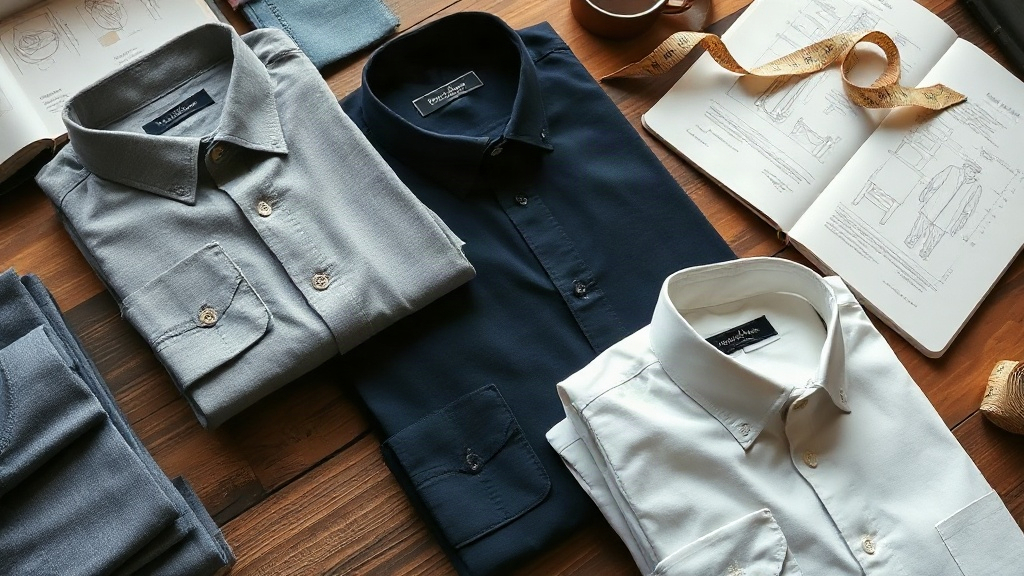
When you hand someone a custom premium shirt, you're not just giving them clothing. You're giving them a piece of your brand they'll wear again and again. But here's the catch: not all custom shirts are created equal. The difference between a shirt that gets worn weekly and one that ends up as a dust rag comes down to a few critical decisions. I've seen it firsthand, from startup swag that faded after two washes to corporate uniforms that still look sharp after a year of daily use. This guide will walk you through everything you need to know to create custom premium shirts that people actually want to wear.
Why Custom Premium Shirts Matter for Your Brand
Think about the last event you attended where you received a free t-shirt. Did you wear it again? If it was thin, scratchy, or had a print that cracked, probably not. Now think about a premium shirt you own. Maybe it's a soft tri-blend or a structured polo. You likely reach for it often. That's the power of quality. Custom premium shirts turn a walking billboard into a walking endorsement. They signal that your brand values quality, and that perception extends to your products or services. Plus, according to industry research, people are more likely to wear apparel that feels good and fits well, increasing your brand's visibility exponentially.
Choosing the Right Fabric for Custom Premium Shirts
Fabric is the foundation. Get it wrong, and nothing else matters. Here's what to consider:
Cotton: The Classic Choice
100% cotton is breathable, soft, and takes prints beautifully. But not all cotton is equal. Look for combed or ring-spun cotton, which is softer and more durable than carded cotton. For a truly premium feel, opt for organic cotton. It's grown without harsh chemicals, feels luxurious, and appeals to eco-conscious customers. Expect to pay a bit more, but the perceived value is worth it.
Tri-Blends: The Softest Option
A mix of cotton, polyester, and rayon, tri-blends are incredibly soft and drape well. They resist shrinking and hold their shape. The downside? They can be pricier and may pill over time if not cared for properly. But for a premium retail feel, tri-blends are hard to beat.
Performance Fabrics: For Active Lifestyles
If your team is active or you're creating athletic wear, consider performance fabrics like polyester blends with moisture-wicking properties. They're durable, quick-drying, and often have a subtle sheen that looks modern. Just ensure they're not too shiny, which can look cheap.
Printing Techniques That Define Premium Custom Shirts
The print method can make or break the premium feel. Here's a rundown of the most common options:
Screen Printing
The workhorse of custom apparel. It's cost-effective for large orders, produces vibrant colors, and can handle complex designs. But for small runs, the setup costs can be high. Also, the ink sits on top of the fabric, which can feel heavy on large prints. For a premium look, use water-based or discharge inks, which dye the fabric rather than sit on top, resulting in a soft, vintage feel.
Direct-to-Garment (DTG)
Perfect for small batches and detailed designs. DTG prints are soft and can reproduce gradients well. However, they may fade faster than screen prints, especially on dark colors. For premium shirts, ensure the printer uses high-quality inks and pre-treats the garment properly.
Embroidery
Nothing says premium like embroidery. It adds texture and dimension, and it's incredibly durable. Ideal for polos, button-downs, and hats. Keep designs simple and avoid tiny details that can get lost. Also, consider the backing: a soft backing prevents irritation.
Heat Transfer Vinyl (HTV)
Good for small runs and one-off designs, but it can peel over time if not applied correctly. For a premium feel, choose stretchable HTV that moves with the fabric. Not the best for large, solid areas.
Design Tips for Custom Premium Shirts
Even the best fabric and printing can't save a bad design. Here's how to get it right:
- Keep it simple. A clean logo or minimal text often looks more premium than a busy graphic.
- Consider placement. Left chest, center chest, sleeve, or back. Left chest is classic and professional.
- Use a limited color palette. Too many colors can look chaotic. Stick to 2-3 colors that align with your brand.
- Think about scale. A tiny logo on a large shirt can look lost. Size it appropriately for the garment.
- Test on different sizes. A design that looks great on a medium might look off on a 3XL. Always check proportions.
Common Mistakes to Avoid with Custom Premium Shirts
I've seen countless businesses waste money on custom shirts that no one wears. Here are the pitfalls:
- Choosing cheap blanks. Saving a few dollars per shirt often backfires. Cheap blanks shrink, fade, and feel rough. Invest in quality blanks from reputable suppliers like Smart Blanks Market.
- Ignoring fit. Unisex sizes don't work for everyone. Offer women's cuts and a range of sizes to ensure a good fit for all body types.
- Overcomplicating the design. As mentioned, simplicity wins. Don't cram too much info.
- Not considering the end user. Will they wear it casually or for work? A neon yellow shirt might not get worn outside of events.
- Forgetting about care instructions. Include a care tag or note to preserve the print and fabric.
By avoiding these mistakes, you'll create custom premium shirts that become a staple in your recipients' wardrobes. And when they wear your brand, they're telling the world they believe in what you do. That's the ultimate goal.
Frequently Asked Questions About Custom Premium Shirts
What is the best fabric for custom premium shirts?
The best fabric depends on the intended use. For a soft, retail feel, tri-blends or combed ring-spun cotton are excellent. For durability and a classic look, 100% cotton is ideal. For activewear, performance polyester blends work well. Always prioritize quality over cost.
How can I ensure my custom shirt design looks premium?
Focus on simplicity, proper placement, and high-quality printing. Avoid overly complex designs and choose printing methods that feel soft to the touch, like water-based screen printing or embroidery. Also, select a shirt color that complements your design and brand.
What is the minimum order quantity for custom premium shirts?
Minimums vary by supplier and printing method. Screen printing often requires larger minimums (e.g., 24 pieces) due to setup costs, while DTG and HTV can be done in smaller quantities. Check with your printer for specifics.
How do I care for custom premium shirts to make them last?
Wash inside out in cold water, tumble dry low or hang dry, and avoid ironing directly on the print. Following these steps will preserve the fabric and print for years.
Where can I find high-quality blank shirts for customization?
Smart Blanks Market offers a curated selection of premium blanks from top brands. Their knowledgeable team can help you choose the right fabric and fit for your project, ensuring a professional result.