
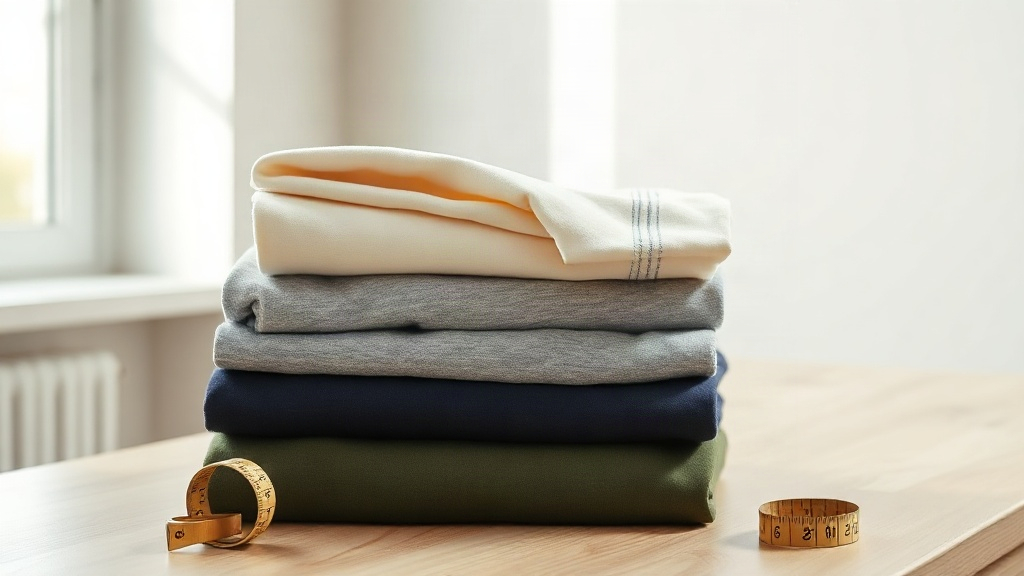
Custom premium shirts, often shortened to CPS in sourcing conversations, sit at the intersection of branding and craftsmanship. Unlike the flimsy promotional tees that end up as gym rags, a well-made custom shirt gets worn weekly, photographed, and remembered. That difference comes down to three decisions: the blank you choose, the decoration method you apply, and the supplier you trust to execute both. Get those right and your logo stops being an advertisement and starts being something people actually want to wear.
What Makes a Shirt Truly Premium
"Premium" is not a marketing sticker. It is a set of measurable qualities that you can check with your hands before you ever approve a bulk order.
Fabric weight and hand feel
Most budget blanks land between 4.0 and 4.5 oz per square yard. Premium blanks usually start around 5.5 oz and climb past 7 oz for heavyweight styles. Heavier cotton drapes better, hides printing imperfections, and survives dozens of wash cycles without turning sheer. Ring-spun cotton feels softer than standard open-end cotton because the fibers are combed and twisted more tightly. If you can, request a swatch and rub it between your fingers. A premium fabric feels dense but smooth, never scratchy or papery.
Stitching and construction
Flip the shirt inside out. Look for double-needle stitching at the hems and shoulders, taped neck and shoulder seams, and side seams rather than tubular construction. Side-seamed shirts fit closer to the body and resist the twisting that plagues cheap tubular blanks after a few washes. Check the collar too. A ribbed collar with elastane holds its shape; a thin, single-layer collar will stretch into a wavy mess within a month.
Fit options that flatter real bodies
Premium suppliers typically offer unisex, women's cut, and relaxed or classic fits. Women's cuts are not simply smaller men's shirts; they are tapered at the waist and shorter in the sleeve. Offering at least two fits signals that you thought about the people wearing your brand, not just the logo placement.
Choosing the Right Blank for Your CPS Order
The blank is the foundation. No decoration method can rescue a poorly made shirt, but a great blank can make even a simple one-color print look expensive.
- Combed ring-spun cotton: The default for retail-quality custom shirts. Soft, printable, and widely available in dozens of colors.
- Tri-blend (cotton, polyester, rayon): Lighter, drapes beautifully, and takes screen printing well. Popular for lifestyle and event merchandise.
- Heavyweight cotton (6.5 oz and up): Best for workwear, uniforms, and anything that needs to survive daily abuse.
- Performance blends: Moisture-wicking polyester blends for team sports, gyms, and outdoor staff.
Color matters more than most buyers expect. Dark blanks hide stains but show lint and faded prints. Light blanks make colors pop but reveal every printing flaw. If you are unsure, order one sample in each of your top two color choices before committing to hundreds of units.
Decoration Methods Compared
The method you choose affects cost, durability, and how premium the final shirt feels. Here is how the main options stack up for CPS projects.
Screen printing
Screen printing remains the most cost-effective method for large runs of one to four colors. Plastisol inks sit on top of the fabric and stay vibrant for years, while water-based inks soak into the cotton for a softer, vintage feel. Setup costs are higher because each color needs its own screen, so screen printing rewards volume.
Embroidery
Embroidery gives a genuinely premium impression, especially on polos, button-downs, and heavy tees. A well-digitized logo with clean edges and proper underlay looks sharp for the life of the garment. Keep logo detail simple; tiny text and gradients do not translate well to thread. Expect to pay for digitizing once, then a per-unit stitch cost after that.
DTG and DTF printing
Direct-to-garment and direct-to-film printing shine for full-color, small-batch orders. There are no setup fees, which makes them ideal for samples, pop-up shops, and limited drops. The trade-off is durability: DTG prints can fade faster than screen prints on dark fabrics unless the shirt is pretreated properly. DTF transfers are more durable and work on almost any fabric, including polyester.
Heat transfer vinyl
HTV is best for names, numbers, and small personalization details. It is crisp and affordable in small quantities, but large solid areas can feel stiff and may peel if applied incorrectly.
How to Spec a CPS Order Without Wasting Money
Most disappointing orders trace back to vague specifications. Before you request quotes, write down the following:
- Exact blank brand, style number, and color codes
- Fit (unisex, women's, youth) and size breakdown
- Decoration method, print dimensions, and placement
- Pantone or hex color references for every ink or thread color
- Quantity per size and total unit count
- Packaging requirements (individual poly bags, hang tags, folded and boxed)
- Delivery deadline and ship-to addresses
Send this spec sheet to at least three suppliers and compare not just price but lead time, sample policy, and reorder terms. A supplier who cannot produce a physical pre-production sample is a risk you do not need to take.
Sampling: The Step Most Buyers Skip
A sample is not a formality. It is your only chance to catch problems before they multiply across hundreds of units. When the sample arrives, wash it twice, wear it once, and inspect the decoration under daylight. Check for crooked prints, off-center placements, loose threads, and color shifts from your approved reference. If the sample is wrong, the bulk order will be wrong. Reputable suppliers expect this and build a sample round into their timeline.
Working With Smart Blanks Market
Smart Blanks Market focuses on exactly this kind of work: sourcing quality blanks, executing clean decoration, and delivering orders that hold up after the first wash. Whether you need twenty shirts for a team or several hundred for a retail drop, the process starts with a clear spec and a real sample. Bring your logo, your deadline, and your size breakdown, and let the production team handle the rest.
Frequently Asked Questions About Custom Premium Shirts
How much should I expect to pay for custom premium shirts?
Pricing depends on the blank, decoration method, and quantity. A premium ring-spun tee with a one-color screen print typically costs more than a basic promotional shirt but less than retail-branded apparel. Larger runs lower the per-unit cost significantly, especially with screen printing where setup fees are spread across more units.
What is the minimum order quantity for CPS?
Minimums vary by decoration method. Screen printing usually requires 24 to 50 units per design to be economical, while DTG and DTF can handle single-piece orders. Embroidery minimums often start around 12 pieces. Always confirm the minimum before you design around a specific method.
How long does a custom premium shirt order take?
Standard turnaround is typically two to three weeks after artwork approval, plus shipping. Complex embroidery, custom neck labels, or specialty blanks can extend that timeline. If you have a hard deadline, order a sample first and confirm production dates in writing.
Can I mix sizes and colors in one order?
Yes, most suppliers allow mixed size runs within a single design. Mixing colors is also possible, but each color may require its own setup for screen printing. For small mixed orders, DTG or DTF printing is often the more flexible and affordable choice.
How do I keep my custom shirts looking new?
Wash inside out in cold water and tumble dry on low. Avoid fabric softener, which breaks down printed inks, and never iron directly over a print or embroidery. Following these habits can double the visible lifespan of a decorated shirt.