
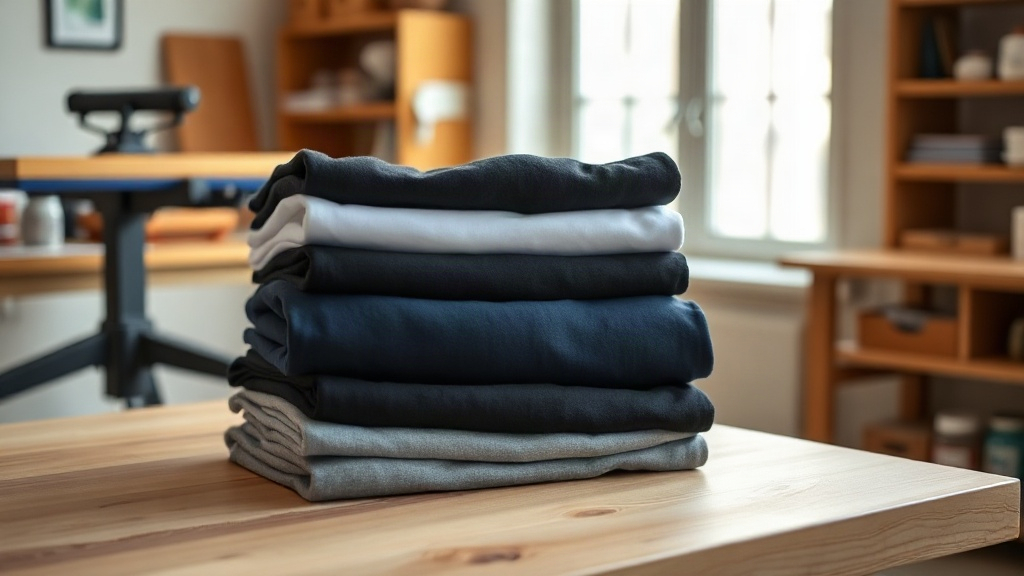
When you want a t-shirt that feels as good as it looks, CPS (custom premium shirts) is the standard to beat. Whether you're launching a brand, outfitting a team, or designing a personal staple, the difference between a basic tee and a premium one comes down to fabric, fit, and finish. In this guide, I'll walk you through everything you need to know to create custom premium t-shirts that people actually want to wear again and again.
What Makes a T-Shirt 'Premium'?
Not all cotton is created equal. Premium t-shirts typically use ring-spun cotton, which is softer and more durable than standard carded cotton. The fabric weight matters too: a 5.5 oz or heavier cotton gives a substantial feel without being stifling. Fit is another marker—premium shirts often have a tailored cut that drapes well rather than a boxy shape. And details like double-needle stitching, shoulder-to-shoulder taping, and side seams (instead of tubular construction) signal higher quality. When you choose blanks for your CPS project, look for these features.
Choosing the Right Blank for Your Custom Premium T-Shirts
The blank is your canvas. Start by considering the end use. For retail, you might want a fashion-forward cut with a soft hand feel. For uniforms, durability and colorfastness are key. Popular premium blanks include Bella+Canvas 3001, Next Level 3600, and Comfort Colors 1717. Each has a distinct feel and fit. Order samples before committing to a bulk order—what looks good online might not meet your expectations in person. I always recommend washing a sample to check for shrinkage and color bleed.
Fabric Weight and Composition
Cotton is the go-to, but blends like cotton/polyester (50/50) offer reduced shrinkage and a different drape. Tri-blends (cotton/polyester/rayon) are incredibly soft and have a vintage look. For athletic use, consider moisture-wicking performance fabrics. The weight you choose affects how your design sits on the shirt. Heavier fabrics (6 oz+) are great for structured designs, while lighter fabrics (4.3 oz) work well for all-over prints.
Fit and Sizing
Premium shirts come in various fits: slim, regular, relaxed, and oversized. Make sure to check the size chart and consider your audience. Unisex styles are common, but women's cuts and youth sizes may be necessary for certain projects. Remember that different brands fit differently, so always consult the specific manufacturer's measurements.
Printing Methods for Custom Premium T-Shirts
The printing method you choose impacts the look, feel, and longevity of your design. Here are the most common options for CPS.
- Screen Printing: Best for bold, long-lasting designs on large orders. Plastisol inks sit on top of the fabric, while water-based inks soak in for a softer feel. It's cost-effective at scale but has setup costs per color.
- Direct-to-Garment (DTG): Ideal for intricate, full-color designs and small batches. The print is durable but may fade over time. Works best on 100% cotton.
- Heat Transfer / Vinyl: Great for names and numbers, and for quick turnarounds. Not as durable as screen printing for large solid areas.
- Embroidery: Adds a premium, textured look. Best for logos on polos or left chest. Can be heavy on large designs.
- DTF (Direct-to-Film): A newer method that transfers vibrant prints onto various fabrics, including blends. Offers fine detail and stretchability.
Consider the design's complexity, the fabric, and your budget. For a truly premium result, water-based screen printing or DTG on high-quality blanks often wins.
Design Tips for Standout Custom Premium T-Shirts
Even the best blank can be ruined by poor design. Here are some guidelines I've learned from working with brands and artists.
- Keep it simple: A clean, bold graphic often outperforms a cluttered one. Think about scalability—what looks good on a poster might not translate to a shirt.
- Use the right colors: Consider the shirt color and how your design will contrast. If printing on dark shirts, you'll need a white underbase for vibrant colors.
- Mind the placement: The standard front print is about 8-10 inches wide, centered on the chest. Left chest prints are typically 3-4 inches wide. Back prints can be larger.
- Test your design: Print a sample before going full production. Check for legibility from a distance and how it feels against the skin.
Sourcing and Production: From Idea to Finished Shirt
Once you've chosen your blank and printing method, it's time to find a reliable printer. Look for one with experience in premium apparel and ask for samples. Communication is key—provide vector files (AI, EPS, PDF) for the best results. If you're selling, factor in costs for blanks, printing, shipping, and your time. For small batches, DTG or DTF might be more economical, while screen printing becomes cost-effective at 50+ pieces.
Quality control is crucial. Inspect a few shirts from each run for print placement, color accuracy, and fabric defects. A trusted printer will work with you to fix issues.
Care Tips to Keep Your Custom Premium T-Shirts Looking New
To extend the life of your shirts, wash them inside out in cold water and tumble dry on low. Avoid ironing directly on the print; if needed, iron inside out. Following these simple steps will keep your CPS looking crisp for years.
Frequently Asked Questions About Custom Premium T-Shirts
What does CPS stand for in custom apparel?
CPS stands for Custom Premium Shirts, a term used to describe high-quality, customized t-shirts made from superior materials and printing techniques.
How much does it cost to make custom premium t-shirts?
Costs vary based on blank quality, printing method, and quantity. Expect to pay $8-$15 per shirt for screen printing on premium blanks in bulk, and $15-$25 for DTG on small runs. Always request quotes from multiple printers.
Which printing method is best for custom premium t-shirts?
It depends on your design and order size. For large orders with simple designs, screen printing is durable and cost-effective. For detailed, full-color designs in small batches, DTG or DTF is better. Embroidery is great for logos on polos.
How do I choose the right blank for my custom premium t-shirts?
Consider fabric weight, composition, fit, and intended use. Order samples to feel the fabric and test printing. Popular premium blanks include Bella+Canvas 3001 and Next Level 3600.
Can I print on dark custom premium t-shirts without the design fading?
Yes, but you'll need a white underbase for screen printing or DTG to ensure colors pop. DTF can print directly on dark fabrics without an underbase, but durability may vary.
Creating custom premium t-shirts is a rewarding process that combines creativity with quality. By focusing on the right blanks, printing methods, and design principles, you can produce shirts that people love to wear. Whether for your brand or personal use, the effort pays off in the final product.