
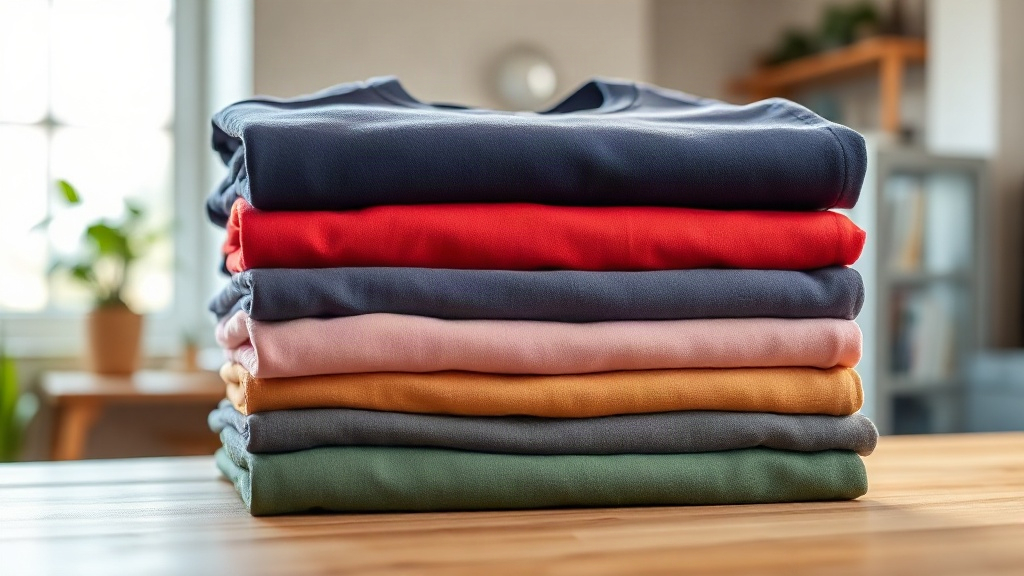
When you decide to create custom premium t-shirts, you are investing in more than just clothing; you are crafting an experience. Whether you are a business owner looking to boost brand visibility, an event organizer wanting memorable giveaways, or simply someone who appreciates high-quality apparel, the journey begins with understanding what makes a t-shirt truly premium. In this guide, we will explore every facet of custom premium t-shirts, from selecting the right fabric to mastering printing techniques and even optimizing your CPS (cost per shirt) to get the best value for your money.
Why Custom Premium T-Shirts Matter
In a world saturated with fast fashion, premium t-shirts stand out for their durability, comfort, and aesthetic appeal. Unlike cheap alternatives that fade, shrink, or lose shape after a few washes, premium t-shirts are crafted from high-quality materials and constructed with precision. When you customize them, you add a personal or brand touch that transforms a simple garment into a powerful communication tool. For businesses, custom premium t-shirts serve as walking billboards, creating impressions that last. For individuals, they are a way to express personality and taste.
Key Factors That Define a Premium T-Shirt
Not all t-shirts are created equal. To ensure your custom order meets premium standards, pay attention to these critical factors:
Fabric Quality
The foundation of any premium t-shirt is the fabric. Look for 100% cotton, especially long-staple varieties like Supima or Egyptian cotton, which offer superior softness and durability. Alternatively, blends such as cotton-polyester can provide enhanced wrinkle resistance and color retention. The weight of the fabric also matters: a mid-to-heavyweight (around 5.5 to 6.5 oz) fabric feels substantial and hangs well, while lightweight options (under 5 oz) may feel flimsy.
Stitching and Construction
Premium t-shirts feature reinforced seams, double-needle stitching on hems and sleeves, and shoulder-to-shoulder taping to prevent stretching. Details like side seams (rather than tubular construction) provide a better fit and reduce twisting after washing.
Fit and Comfort
A premium t-shirt should fit well without being restrictive. Consider your target audience: unisex, women's cut, or youth sizes. Comfort is non-negotiable, so choose fabrics that are breathable and soft against the skin.
Customization Techniques for Premium Results
Once you have selected the perfect blank, the next step is customization. The method you choose impacts the look, feel, and longevity of the design.
Screen Printing
Screen printing is the gold standard for bulk orders. It involves pushing ink through a mesh screen onto the fabric. For premium t-shirts, use high-quality plastisol or water-based inks. Water-based inks are softer and more breathable but require careful curing. Screen printing is cost-effective for large quantities and offers vibrant, long-lasting colors.
Direct-to-Garment (DTG) Printing
DTG printing is ideal for detailed, full-color designs and small batches. It works like an inkjet printer for fabric, applying water-based inks directly onto the garment. While DTG has improved significantly, it may not be as durable as screen printing on dark colors. For premium t-shirts, ensure the printer uses a pretreatment solution to enhance color vibrancy and washability.
Embroidery
For a truly upscale look, embroidery adds texture and perceived value. It is perfect for logos on left chests or sleeves. However, embroidery can be heavy on large designs and may not suit intricate details. Choose high-quality threads that match or complement the shirt color.
Heat Transfer Vinyl (HTV)
HTV is great for small runs and personalized names or numbers. It involves cutting a design from vinyl and applying it with heat and pressure. While convenient, HTV may peel over time if not applied correctly. For premium t-shirts, consider premium HTV brands that offer a soft hand and durable adhesion.
Optimizing Your CPS (Cost Per Shirt)
When budgeting for custom premium t-shirts, understanding your CPS is essential. CPS stands for cost per shirt, a metric that helps you evaluate the efficiency of your purchase. To calculate CPS, divide the total cost of your order (including shirts, printing, and shipping) by the number of shirts. But CPS is not just about the lowest number; it is about the best value. A slightly higher CPS for a premium shirt that lasts years may be more economical than a low CPS for a shirt that fades after a month. To optimize CPS, consider ordering in larger quantities to benefit from price breaks, choosing simpler printing methods for large orders, and working with a supplier who offers transparent pricing.
Choosing the Right Supplier for Custom Premium T-Shirts
Your supplier plays a pivotal role in the final product. Here is what to look for:
- Reputation and Reviews: Check testimonials and case studies. A supplier with a history of delivering premium work is more likely to meet your expectations.
- Sample Availability: Always request samples before placing a large order. This allows you to assess fabric quality, print durability, and fit.
- Communication: A responsive supplier will guide you through the process and address any concerns promptly.
- Turnaround Time: Ensure they can meet your deadline without rushing quality.
- Sustainability: If eco-friendliness matters to you, look for suppliers who use organic cotton and eco-friendly inks.
Design Tips for Custom Premium T-Shirts
Even the best shirt can be ruined by poor design. Keep these tips in mind:
- Simplicity Wins: A clean, simple design often looks more premium than a cluttered one.
- Color Harmony: Ensure your design colors complement the shirt color. For dark shirts, use light inks and vice versa.
- Placement: Standard placements include left chest, full front, and back. Consider how the design will look when worn.
- Scalability: Vector files (AI, EPS) allow for infinite scaling without loss of quality.
How to Care for Your Custom Premium T-Shirts
To keep your custom premium t-shirts looking new, follow these care instructions:
- Turn the shirt inside out before washing to protect the print.
- Wash in cold water on a gentle cycle.
- Avoid using bleach or fabric softeners, which can degrade the fabric and print.
- Tumble dry on low or hang dry to prevent shrinkage and cracking.
- Iron inside out, avoiding the printed area.
Frequently Asked Questions About Custom Premium T-Shirts
What does CPS mean in custom t-shirt printing?
CPS stands for cost per shirt. It is a metric used to determine the average cost of each t-shirt in an order, helping you budget and compare suppliers.
How can I reduce the CPS of my custom t-shirt order?
You can reduce CPS by ordering larger quantities, choosing standard sizes and colors, opting for simpler printing methods like one-color screen printing, and working with a supplier that offers volume discounts.
What is the best fabric for premium custom t-shirts?
The best fabric is typically 100% long-staple cotton (like Supima or Egyptian cotton) or a high-quality cotton-poly blend. These fabrics offer softness, durability, and excellent printability.
How long do custom premium t-shirts last?
With proper care, custom premium t-shirts can last for years. The lifespan depends on fabric quality, printing method, and how well you maintain them. Screen-printed shirts on heavy cotton can withstand hundreds of washes.
Can I get a sample before placing a large order?
Yes, most reputable suppliers offer samples or small trial orders. Always request a sample to evaluate the quality and ensure it meets your standards before committing to a bulk purchase.
Creating custom premium t-shirts is a rewarding endeavor that combines creativity with strategic planning. By focusing on quality materials, choosing the right printing technique, and optimizing your CPS, you can produce apparel that not only looks great but also delivers exceptional value. Whether for your brand, event, or personal use, premium custom t-shirts make a lasting impression.