
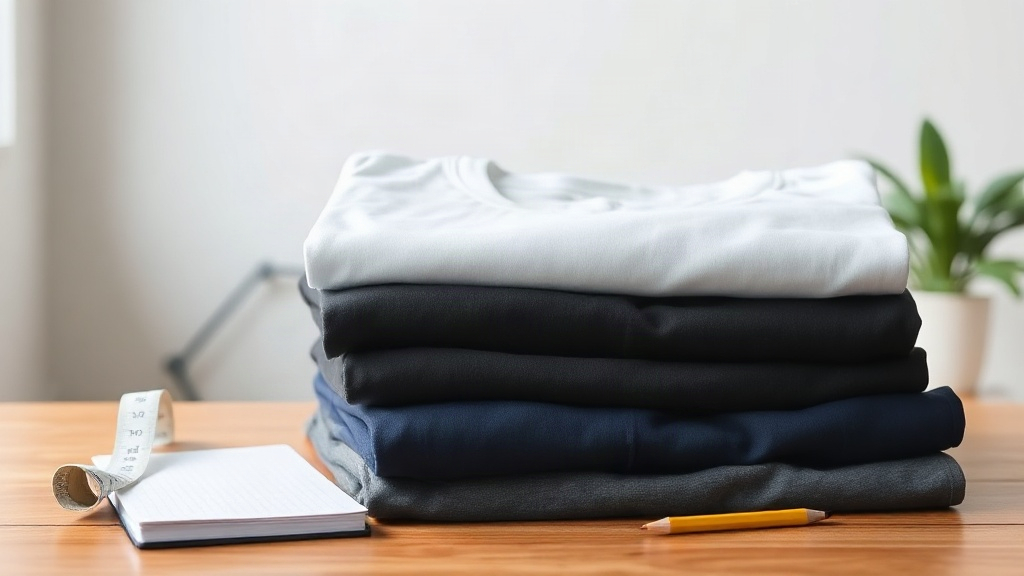
When you're building a clothing brand, the foundation of your success lies in the blanks you choose. A Custom Premium Tee isn't just a piece of fabric; it's a canvas for your creativity and a vehicle for your brand's message. Whether you're launching a streetwear line or adding merch to your existing business, the quality of your blanks directly impacts how customers perceive your products. In this guide, we'll walk you through everything you need to know to select the perfect premium tees that will set your brand apart.
Why Premium Blanks Matter for Your Brand
Not all t-shirts are created equal. The difference between a standard blank and a premium one is immediately noticeable to your customers. Premium blanks offer superior softness, durability, and fit, which translates to higher customer satisfaction and repeat purchases. When you invest in quality blanks, you're not just selling a t-shirt; you're delivering an experience. Customers are more likely to wear and promote apparel that feels good and lasts long.
Moreover, premium blanks hold up better to printing techniques like screen printing, DTG, and embroidery. Cheaper alternatives often lead to faded prints, cracked designs, and unhappy customers. By choosing high-quality blanks, you ensure that your designs look vibrant and professional, enhancing your brand's reputation.
Key Factors to Consider When Choosing Custom Premium Tees
Fabric Quality and Composition
The fabric is the heart of any t-shirt. Premium blanks typically use 100% combed ring-spun cotton or high-quality blends. Combed ring-spun cotton is softer and smoother because the fibers are combed to remove impurities and then spun tightly. This results in a tee that feels luxurious against the skin and resists pilling. Look for fabrics with a weight between 4.5 and 6.5 ounces per square yard; this range offers a balance of comfort and durability. Heavier fabrics (6+ oz) are great for structured tees, while lighter ones (4.5 oz) are perfect for layering.
Blends like cotton/polyester or tri-blends offer unique characteristics. Cotton/poly blends are less prone to shrinking and wrinkling, making them ideal for activewear. Tri-blends (cotton/polyester/rayon) have a vintage, heathered look and exceptional softness. Consider your target audience and the intended use of the tee when selecting the fabric composition.
Fit and Silhouette
The fit of a t-shirt can make or break its appeal. Premium blanks come in various fits: classic, slim, relaxed, and oversized. The right fit depends on your brand's aesthetic and your customers' preferences. For a modern, fashion-forward look, consider slim or tailored fits. For a streetwear vibe, oversized and boxy fits are popular. It's essential to sample different fits to see how they drape and flatter various body types. Remember, a well-fitting tee is one that customers will reach for again and again.
Construction Details
Pay attention to the little details that indicate quality. Look for features like double-needle stitching on hems and sleeves, which prevents unraveling. Shoulder-to-shoulder taping adds stability and prevents stretching. A ribbed collar that retains its shape after multiple washes is a sign of a well-made tee. Also, check for side seams; tubular construction (without side seams) can twist after washing, while side-seamed tees maintain their shape better. These details might seem minor, but they significantly affect the longevity and appearance of the garment.
Color Selection and Consistency
Premium blanks offer a wide range of colors, from classic neutrals to trendy hues. Consistency in dyeing is crucial, especially if you plan to reorder. Inconsistent colors can lead to mismatched batches, which is a nightmare for inventory management. Reputable blank suppliers maintain strict quality control to ensure color consistency across dye lots. Always request a color swatch or sample before committing to a large order.
Printability and Compatibility
Different printing methods require different blank characteristics. For screen printing, a smooth, tight-knit fabric works best to achieve crisp lines. For DTG (direct-to-garment), 100% cotton is ideal because the ink bonds with the fibers. For embroidery, a stable fabric with some weight prevents puckering. If you plan to use multiple decoration methods, choose blanks that are versatile. Also, consider the thread count; higher thread count fabrics generally provide a smoother printing surface.
Top Premium Blank Brands to Consider
Several brands are renowned for their premium blanks. Bella+Canvas is famous for its soft, fashion-forward tees, often used by trendy brands. Next Level Apparel offers a great balance of quality and affordability. American Apparel (now under Gildan) is known for its classic fits and durable fabrics. Comfort Colors provides garment-dyed tees with a vintage, lived-in look. When sourcing, consider factors like minimum order quantities, lead times, and customer service. Smart Blanks Market curates a selection of these top-tier blanks, making it easier for you to find the perfect match for your brand.
How to Test and Validate Your Custom Premium Tee
Before launching a full product line, it's wise to test your chosen blanks. Order samples and wear them yourself. Wash them multiple times to check for shrinkage, color fading, and print durability. Get feedback from friends, family, or focus groups. Pay attention to how the tee feels after repeated wear and washing. If you're selling online, order a sample with your design printed to evaluate the final product. This step can save you from costly mistakes and ensure customer satisfaction.
Sustainability and Ethical Considerations
Today's consumers are increasingly conscious of sustainability and ethics. Premium blank manufacturers are responding by offering organic cotton, recycled materials, and fair labor practices. Certifications like GOTS (Global Organic Textile Standard) and Fair Trade ensure that the product meets environmental and social standards. Highlighting these aspects in your marketing can appeal to eco-conscious customers and differentiate your brand. When choosing blanks, ask suppliers about their sustainability initiatives and certifications.
Maximizing Profit with Custom Premium Tees
While premium blanks cost more upfront, they allow you to charge higher prices and build a loyal customer base. The key is to communicate the value: superior comfort, durability, and style. Use high-quality product photos and detailed descriptions to convey the premium nature of your tees. Offer excellent customer service and stand behind your product. With the right branding and marketing, premium tees can become a profitable cornerstone of your business.
Frequently Asked Questions
What is the best fabric for a custom premium tee?
The best fabric depends on your needs. 100% combed ring-spun cotton is ideal for a soft, smooth feel and excellent printability. For durability and wrinkle resistance, consider a cotton/poly blend. Tri-blends offer a vintage look and exceptional softness. We recommend ordering samples of different fabrics to see which aligns with your brand.
How do I choose the right fit for my target audience?
Research your audience's preferences. If you're targeting a younger, fashion-forward demographic, slim or oversized fits may work well. For a broader audience, classic or relaxed fits are safer. Look at successful brands in your niche and consider conducting surveys or focus groups to gather insights.
What should I look for in terms of construction quality?
Check for double-needle stitching, shoulder-to-shoulder taping, and a ribbed collar that holds its shape. Side-seamed construction is preferable to tubular to prevent twisting. Also, examine the hem and sleeve stitching for neatness and durability. These details indicate a well-made tee.
How can I ensure color consistency when reordering?
Order from reputable suppliers who maintain strict dye lot control. Always request a sample from the current batch before placing a large order. Keep records of dye lots and communicate with your supplier about your needs. If possible, order slightly more than you need to have a buffer.
Are premium blanks worth the higher cost?
Absolutely. Premium blanks offer better comfort, durability, and print results, leading to higher customer satisfaction and repeat business. They allow you to position your brand as high-quality and command higher prices. The long-term benefits far outweigh the initial investment.