
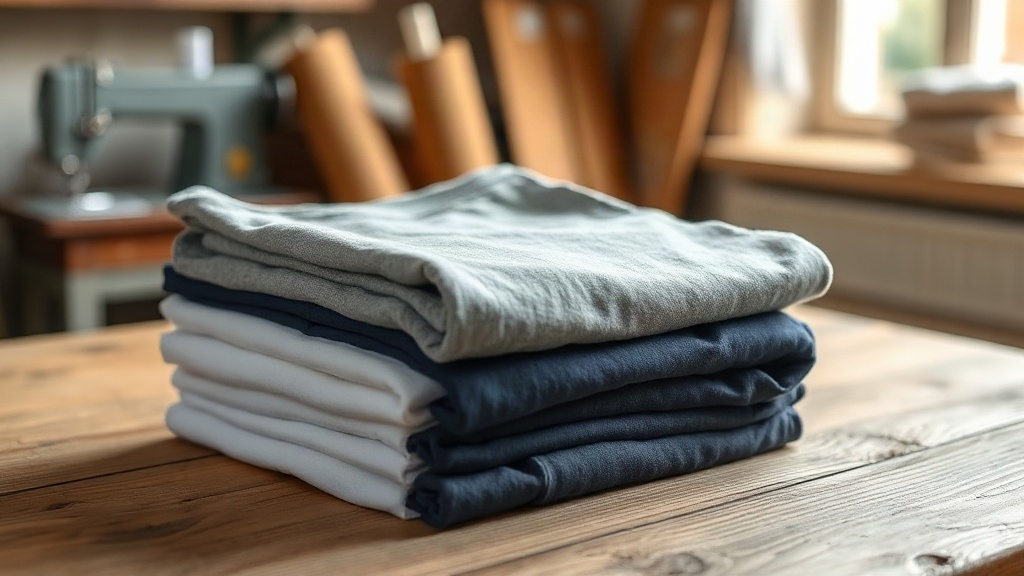
When you start a clothing brand, the first thing people notice is the quality of your Custom Premium Tee. It's not just about the design; it's about how the shirt feels, how it fits, and how it lasts. In a market flooded with cheap alternatives, premium blanks set you apart. This guide dives deep into everything you need to know about selecting and using custom premium tees to build a loyal customer base.
Why Custom Premium Tee Blanks Matter for Your Brand
Your choice of blank t-shirt is the foundation of your brand's reputation. A premium tee is more than a canvas; it's an experience. Customers can feel the difference between a 4.3 oz. basic tee and a 6.0 oz. combed ring-spun cotton shirt. The latter drapes better, feels softer, and holds up wash after wash.
Investing in quality blanks shows your customers that you care about your product. It also reduces returns and complaints. When a shirt shrinks or fades after one wash, you lose credibility. But a custom premium tee that retains its shape and color builds trust and encourages repeat purchases.
What Defines a Premium Tee?
Premium t-shirts are typically made from combed ring-spun cotton, which is softer and more durable than standard cotton. They often have a higher fabric weight (usually 5.0 oz. and up), double-needle stitching, and a tailored fit. Some premium blanks also feature side seams for a better fit and reduced twisting.
Brands like Bella+Canvas, Next Level, and American Apparel are known for their premium blanks. These manufacturers focus on quality, consistency, and ethical production, which can also be a selling point for your brand.
Choosing the Right Fabric for Your Custom Premium Tee
Fabric choice is critical. It affects comfort, printability, and durability. Here are the most common options:
- 100% Combed Ring-Spun Cotton: The gold standard for premium tees. It's soft, smooth, and takes prints well. It's also breathable, making it ideal for everyday wear.
- Cotton/Poly Blends: Often 50/50 or 60/40, these blends are softer and less prone to shrinking. They also resist wrinkles better. Tri-blends (cotton/poly/rayon) are exceptionally soft but can be more expensive.
- Organic Cotton: Grown without synthetic pesticides, organic cotton appeals to eco-conscious consumers. It's usually softer and more sustainable, but it can be pricier.
- Performance Fabrics: Moisture-wicking and antimicrobial, these are great for activewear but may not have the same soft hand as cotton.
Consider your target audience. If you're selling to athletes, performance fabrics might be best. If you're targeting fashion-forward consumers, tri-blends or organic cotton could be more appealing.
Fabric Weight: Light vs. Heavy
Fabric weight is measured in ounces per square yard (oz/yd²). Lighter fabrics (under 5 oz.) are cooler and more breathable but may feel flimsy. Heavier fabrics (5.5 oz. and up) feel more substantial and durable, but they can be warmer. For a premium feel, aim for at least 5.0 oz. For year-round wear, 5.3 oz. to 6.0 oz. is a sweet spot.
Fit and Style: Finding the Perfect Cut
The fit of your custom premium tee can make or break its appeal. Today's consumers prefer a modern fit that's not too boxy but not too tight. Here are the common fits:
- Classic Fit: Relaxed and comfortable, with a straight cut. It's a safe choice but may feel outdated to some.
- Slim Fit: Tailored to the body, with narrower sleeves and a tapered waist. It's popular among younger demographics.
- Relaxed Fit: Looser than classic, often with dropped shoulders. It's trendy in streetwear.
Also consider neckline options: crew neck, V-neck, and scoop neck. Crew neck is the most versatile and popular. V-neck offers a more casual look, while scoop neck is more feminine. Some premium blanks also offer pocket tees or henleys, which can add variety to your line.
The Importance of Side Seams
Cheaper tees are often tubular, meaning they have no side seams. This can cause the shirt to twist after washing. Premium tees usually have side seams, which provide a better fit and reduce twisting. Always check for side seams when evaluating blanks.
Printing Methods for Custom Premium Tee
Your printing method should complement the premium feel of your blanks. Here are the most common techniques:
- Screen Printing: The most popular for bulk orders. It's durable, vibrant, and cost-effective for large quantities. However, it requires a setup fee and is not ideal for complex designs with many colors.
- Direct-to-Garment (DTG): Great for detailed, full-color designs and small batches. It works best on 100% cotton. The print may fade over time, but advancements have improved durability.
- Heat Transfer: Versatile and good for small runs. It can be used on various fabrics, but the feel can be plasticky if not done well.
- Embroidery: Adds a premium, textured look. It's durable and professional, ideal for logos. However, it can be heavy on lightweight fabrics.
For a premium tee, screen printing and DTG are often the best choices. They allow for soft-hand prints that don't detract from the fabric's feel.
Ink and Technique Matter
Using high-quality inks and proper curing is essential. Water-based inks penetrate the fabric and leave a soft hand, while plastisol inks sit on top and can feel heavy. If you want a truly premium feel, ask your printer about water-based or discharge printing.
Sourcing Custom Premium Tee Blanks
Finding reliable suppliers is key. You can source blanks from wholesalers like SanMar, S&S Activewear, or directly from manufacturers. Online marketplaces like Smart Blanks Market offer a curated selection of premium blanks from top brands.
When sourcing, consider:
- Minimum Order Quantity (MOQ): Some suppliers require large orders. If you're just starting, look for low MOQs.
- Price per Unit: Premium blanks cost more, but they're worth it. Compare prices across suppliers.
- Shipping and Lead Times: Ensure timely delivery to meet your production schedule.
- Customer Service: Good support can help you resolve issues quickly.
Always order samples before committing to a large order. Check the fabric, stitching, and fit. Wash and wear the sample to see how it holds up.
Marketing Your Custom Premium Tee
Once you have your product, you need to sell it. Highlight the premium features in your marketing. Use terms like "ultra-soft," "durable," and "ethically made." Show close-up photos of the fabric and stitching. Share customer reviews that mention quality.
Consider creating a brand story around your tees. If you use organic cotton, talk about sustainability. If you source locally, emphasize community support. Consumers are willing to pay more for brands that align with their values.
Pricing Strategies
Premium tees cost more to produce, so your pricing should reflect that. Don't compete on price; compete on quality. A good rule of thumb is to set your retail price at 2.5 to 3 times your cost. This covers expenses and profit. Offer bundles or limited editions to increase perceived value.
Common Mistakes to Avoid
Many new brands make mistakes when choosing custom premium tees. Here are a few to avoid:
- Choosing price over quality: Saving a few cents per shirt can cost you customers in the long run.
- Ignoring fit: A great design on a poorly fitting shirt won't sell.
- Not testing prints: Always test print on your chosen blanks to ensure compatibility.
- Overlooking washing instructions: Provide clear care instructions to maintain the premium feel.
By avoiding these pitfalls, you'll build a product line that stands out.
Frequently Asked Questions About Custom Premium Tee
What is the best fabric for a custom premium tee?
The best fabric is typically 100% combed ring-spun cotton or a high-quality tri-blend. Combed ring-spun cotton is soft, durable, and takes prints well. Tri-blends offer exceptional softness and drape. Consider your target audience and intended use to make the best choice.
How much should I expect to pay for premium blanks?
Premium blanks usually range from $5 to $12 per unit, depending on the brand, fabric, and quantity. Organic or specialty fabrics may cost more. While they are pricier than basic tees, the quality justifies the investment for a premium brand.
Can I print on a custom premium tee at home?
Yes, you can use heat transfer paper or DTG printers designed for home use. However, for professional results and durability, it's best to work with a commercial printer. They have the equipment and expertise to achieve a soft, long-lasting print.
How do I care for a custom premium tee to maintain its quality?
Wash inside out in cold water, tumble dry low or hang dry, and avoid ironing directly on the print. Following these steps will help preserve the fabric's softness and the print's vibrancy. Always check the care label for specific instructions.
Where can I buy custom premium tee blanks in small quantities?
Many online retailers offer low minimums, including Smart Blanks Market. Look for suppliers that cater to small businesses and offer sample packs. This allows you to test different brands and styles before committing to bulk orders.