
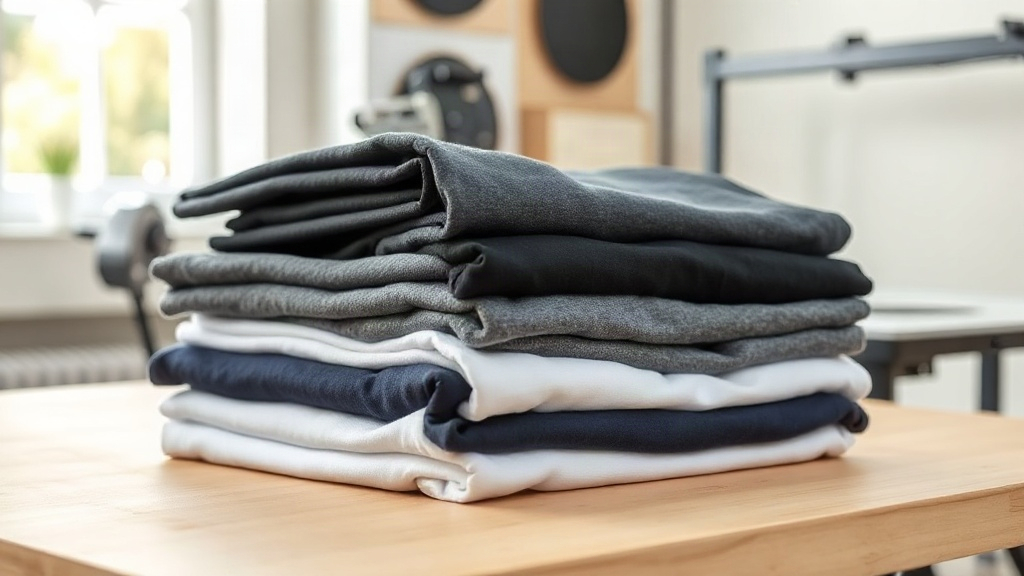
When you hold a truly great t-shirt, you notice it immediately. The fabric has weight without being heavy, the stitching is tight and even, and the surface takes ink or vinyl like a dream. That's the difference a premium blank makes. Whether you're starting a clothing brand, printing team gear, or making gifts for friends, the foundation of any successful project is the blank itself. In this guide, we'll walk through everything you need to know about creating a Custom Premium Tee that looks professional and stands up to real wear.
Why Premium Blanks Matter for Custom Printing
Not all t-shirts are created equal. A cheap blank might feel soft in the store, but after one wash it can shrink, warp, or pill. Worse, the fabric might not hold ink well, leading to cracked or faded prints. Premium blanks are made from higher-quality cotton, often ring-spun or combed, which creates a smoother, stronger surface. They also tend to have tighter knit structures, which means your print sits on top of the fabric rather than sinking into gaps.
When you print on a premium blank, you're not just making a shirt; you're making a product that feels good to wear and looks good for years. That's especially important if you're selling your creations. Customers notice quality, and they'll come back for more when their favorite tee doesn't fall apart after a few wears.
Choosing the Right Fabric for Your Custom Premium Tee
The fabric you choose affects everything from how the shirt feels to how well your design adheres. Here's a breakdown of common options:
- 100% Cotton: The classic choice. It's breathable, soft, and takes screen printing and DTG (direct-to-garment) inks beautifully. Look for combed or ring-spun cotton for extra smoothness.
- Cotton/Poly Blends: These offer a softer hand and less shrinkage. They're great for heat transfer vinyl (HTV) and sublimation, but some inks may not bond as well as on pure cotton.
- Tri-Blends: A mix of cotton, polyester, and rayon. They have a vintage, heathered look and extreme softness. However, they can be tricky for screen printing because the ink may not sit evenly.
- Performance Fabrics: Moisture-wicking polyesters are popular for activewear. They require specific inks and careful curing to avoid dye migration.
For most beginners, a 100% ring-spun cotton tee in a mid-weight (around 4.5 to 5.5 oz) is the sweet spot. It's forgiving to print on and feels luxurious.
Printing Methods for Custom Premium Tees
Once you have your blank, you need to put your design on it. The method you choose depends on your budget, the number of shirts, and the complexity of your artwork.
Screen Printing
Screen printing is the industry standard for bulk orders. It involves pushing ink through a mesh screen onto the fabric. It's cost-effective for large runs, and the results are vibrant and durable. However, setup costs are high because you need a separate screen for each color. If you're printing 50 shirts with one color, screen printing is your best bet. For small batches or multi-color designs, it might be overkill.
Direct-to-Garment (DTG)
DTG printing works like an inkjet printer for shirts. It sprays water-based ink directly onto the fabric. It's perfect for detailed, full-color designs and small batches because there are no setup fees. The catch? It works best on 100% cotton, and the print may feel slightly stiff at first. With a premium blank, the ink absorbs well and feels softer after a wash.
Heat Transfer Vinyl (HTV)
HTV is a great DIY option. You cut your design from a sheet of vinyl, then use a heat press to adhere it to the shirt. It's ideal for simple logos, names, and numbers. HTV comes in many colors and finishes, including metallic and glitter. It's durable if applied correctly, but it can peel if the heat or pressure is off. For a Custom Premium Tee, HTV adds a crisp, professional look.
Direct-to-Film (DTF)
DTF is a newer method that's gaining popularity. You print your design onto a special film, cover it with adhesive powder, and then heat press it onto the shirt. It works on almost any fabric, including blends and polyester. The result is a soft, stretchy print that holds up well. DTF is great for small businesses because you can print and press on demand without minimums.
Preparing Your Artwork for Printing
Your design file is just as important as the blank. Here are key things to check:
- Resolution: Use at least 300 DPI for raster images. Vector files (AI, EPS, SVG) are ideal because they scale without losing quality.
- Color Mode: For screen printing, use spot colors or CMYK. For DTG, RGB is fine, but colors may appear slightly different on fabric.
- Transparency: If your design has transparent areas, make sure they're handled correctly. For DTG, the white ink layer is printed underneath, so you need to set up your file with a white underbase.
- Size: Standard print sizes are around 12x16 inches for the front, but it depends on the shirt size. Measure your placement to ensure it looks proportional.
Step-by-Step: Printing Your Custom Premium Tee
Let's walk through the process using DTG as an example, since it's beginner-friendly.
- Pre-treat the shirt: Spray a pre-treatment solution evenly on the print area. This helps the ink bond to the fabric. Dry it with a heat press or heat gun.
- Load the shirt: Place it on the DTG printer platen, making sure it's flat and smooth. Use a lint roller to remove any stray fibers.
- Print: Send your design to the printer. The printer will lay down a white underbase (if needed) and then the colors.
- Cure the ink: Use a heat press at 320°F for about 30 seconds, or a conveyor dryer. This sets the ink and makes it washable.
- Quality check: Inspect the print for any gaps or smudges. If it looks good, you're done!
For screen printing or HTV, the steps differ, but the principle is the same: prepare the surface, apply the design, and cure properly.
Common Mistakes to Avoid
Even experienced printers make mistakes. Here are a few to watch out for:
- Not testing: Always print a sample on a similar fabric before doing a full run. This helps you catch issues with color, adhesion, or feel.
- Ignoring fabric content: Using the wrong ink on a polyester shirt can cause dye migration, where the shirt's dye bleeds into your design. Use low-bleed inks or a barrier layer.
- Under-curing: If the ink isn't cured properly, it will crack or wash out. Invest in a good heat press or infrared thermometer to check temperatures.
- Poor placement: A design that's too high or too low can ruin the look. Use a ruler or template to center it.
Care Instructions for Your Custom Premium Tee
To keep your printed tee looking new, follow these care tips:
- Wash inside out in cold water.
- Avoid fabric softener, which can break down the ink.
- Tumble dry low or hang dry.
- Iron inside out, never directly on the print.
With proper care, a well-printed premium tee can last for years.
Frequently Asked Questions
What is the best fabric for a custom premium tee?
For most printing methods, 100% ring-spun cotton is the best choice. It's soft, durable, and takes ink well. If you need moisture-wicking properties, a polyester performance fabric works, but you'll need to use specific inks and techniques.
How much does it cost to make a custom premium tee?
The cost varies based on the blank, printing method, and quantity. A premium blank might cost $5 to $10, and printing can add $5 to $15 per shirt for small runs. Bulk orders reduce the per-unit cost significantly.
Can I print on a premium tee at home?
Yes, with the right equipment. HTV and DTF are the most home-friendly methods. You'll need a heat press (or a good iron) and a cutting machine for HTV. DTG printers are expensive, so many home printers outsource DTG work.
How do I prevent my print from cracking?
Cracking usually happens when the ink is under-cured or the shirt is washed in hot water. Make sure to cure your print according to the ink manufacturer's instructions and always wash inside out in cold water.
Where can I buy premium blanks for custom tees?
Look for reputable blank suppliers that specialize in wholesale apparel. Smart Blanks Market offers a range of high-quality blanks suitable for all printing methods. Choose blanks that match your fabric and color needs.
Creating a Custom Premium Tee is a rewarding process. By starting with a quality blank and following the right techniques, you can produce shirts that people love to wear. Whether you're printing one or one hundred, the effort you put into choosing materials and methods will show in the final product.