
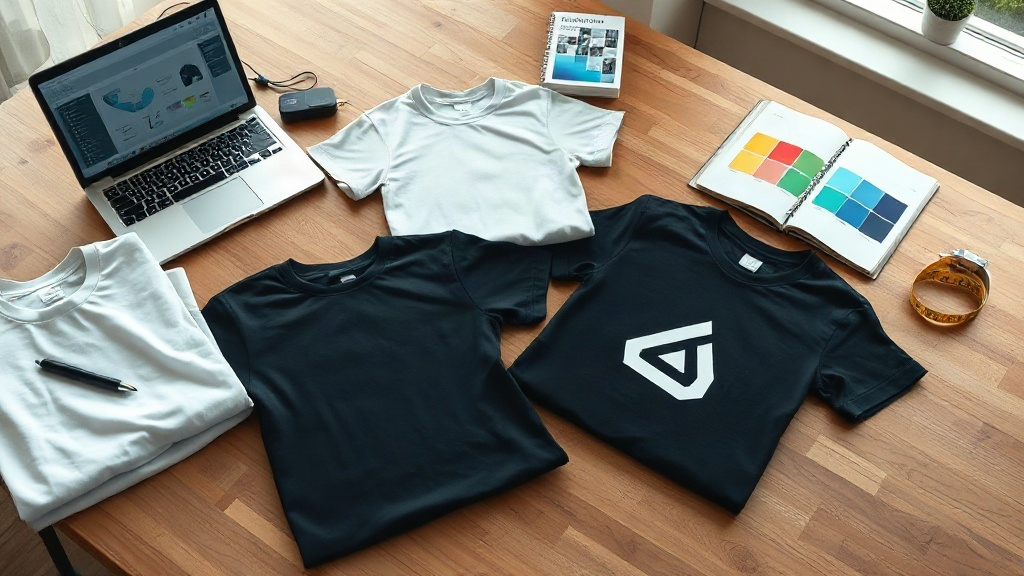
Creating custom shirts is more than a hobby; it's a way to express individuality, build team spirit, or grow a brand. Whether you're designing a one-of-a-kind piece for yourself or ordering hundreds for an event, the process can be both exciting and overwhelming. With so many options for blanks, printing techniques, and design tools, where do you start? This guide will walk you through every step, from selecting the right fabric to mastering the art of print placement, so you can produce shirts that people actually want to wear.
Why Custom Shirts Matter
In a world of mass-produced fashion, custom shirts offer a sense of authenticity. They tell a story, whether it's your company's logo, a band's artwork, or a personal mantra. But beyond self-expression, custom apparel serves practical purposes: it unifies teams, promotes events, and even serves as a walking billboard for your business. The key is to get the details right, because a poorly made custom shirt can do more harm than good.
Choosing the Right Blank
The foundation of any great custom shirt is the blank itself. Not all blanks are created equal; the fabric, fit, and feel will determine how often the shirt gets worn. Here's what to consider:
Fabric and Weight
Cotton is the most popular choice for its breathability and softness. Ringspun cotton, in particular, offers a smoother surface that takes prints well. For a heavier, more durable option, consider a cotton-poly blend, which resists wrinkles and shrinking. The weight of the fabric, measured in ounces per square yard, also matters: a 4.2 oz shirt is lightweight and great for summer, while a 6.1 oz shirt feels more substantial and hides imperfections better.
Fit and Style
Custom shirts come in many cuts: classic, slim, relaxed, and even oversized. Think about who will wear the shirt. A slim fit flatters athletic builds but may not suit everyone. Unisex styles are versatile, but women's cuts offer a more tailored look. Also, consider the neckline: crew neck is standard, but V-neck or scoop neck can add a unique touch.
Color Matters
The blank's color sets the tone for your design. White and light colors make prints pop, while dark colors can create a more subtle, premium feel. If you're printing with light inks on dark shirts, you'll need an underbase, which adds cost but ensures vibrancy. Always request swatches to see the true color before committing.
Printing Methods: Which One Is Right for You?
Once you've chosen your blank, it's time to decide how to apply your design. Each method has its strengths and weaknesses, and the best choice depends on your design complexity, quantity, and budget.
Screen Printing
Screen printing is the go-to for bulk orders. It involves creating a stencil for each color and pushing ink through a mesh screen. It's cost-effective for large runs, offers vibrant colors, and can be used on a variety of fabrics. However, setup costs can be high for small batches, and complex designs with many colors become expensive.
Direct-to-Garment (DTG)
DTG printing works like an inkjet printer for fabric. It's perfect for detailed, multi-color designs and small orders because there's no setup cost. The ink is water-based and sits on top of the fabric, so it works best on 100% cotton. While DTG has improved, the print may fade faster than screen printing after many washes.
Heat Transfer and Vinyl
Heat transfer involves printing your design onto a special paper and using a heat press to apply it to the shirt. It's great for small batches and complex designs, but the feel can be plasticky. Vinyl cutting is similar but uses colored vinyl sheets; it's ideal for simple text and shapes, especially for one-off shirts.
Embroidery
For a premium, textured look, embroidery is unbeatable. It's durable and professional, often used for corporate logos. However, it's not suitable for fine details and can be more expensive, especially for large designs.
Design Tips for Custom Shirts
Even the best printing method can't save a bad design. Follow these guidelines to create shirts that look professional and wear well.
Keep It Simple
Less is often more. A clean, simple design is more versatile and recognizable. Avoid too many elements or overly complex graphics that become muddy when printed.
Mind the Placement
The standard front print is about 8-10 inches below the collar, centered. But you can get creative with placement: left chest, sleeve, back, or even all-over prints. Just ensure the design doesn't interfere with seams or pockets.
Choose Colors Wisely
Consider the shirt color when selecting your ink colors. High contrast ensures readability, but sometimes a tone-on-tone look can be elegant. Also, think about how the colors will look in different lighting.
Use the Right Fonts
If your design includes text, choose fonts that are legible. Script fonts can be hard to read at a distance, while bold sans-serif fonts work well for headlines. Always convert text to outlines to avoid font substitution issues.
Step-by-Step: Creating Your Custom Shirt
Ready to make your own? Follow this simple process:
- Conceptualize: Brainstorm ideas and sketch them out. Think about the message or vibe you want.
- Digitize: Use design software like Adobe Illustrator or free tools like Canva to create a vector file.
- Choose Your Blank: Select the style, color, and fabric that match your vision.
- Select Printing Method: Based on your design and quantity, pick the best technique.
- Order a Sample: Always get a proof or sample before committing to a large order.
- Press and Enjoy: Once approved, your shirts will be produced and shipped to you.
Common Mistakes to Avoid
Even seasoned creators make mistakes. Here are a few pitfalls to watch out for:
- Ignoring fabric content: Some printing methods only work on certain fabrics. For example, DTG requires 100% cotton.
- Forgetting about wash care: Custom shirts need proper care to last. Always provide washing instructions to recipients.
- Overcomplicating the design: Too many colors or details can increase cost and reduce print quality.
- Not considering the wearer: A design that looks great on a hanger might not flatter all body types. Test on different sizes.
Frequently Asked Questions
How much does it cost to make custom shirts?
The cost varies widely based on the blank, printing method, and quantity. A simple one-color screen print on a basic cotton tee might cost $8-$15 per shirt for 50 shirts, while a full-color DTG print on a premium blank could be $20-$30 each for a single shirt. Always request quotes from multiple vendors.
What's the best printing method for a small order?
For small orders (1-10 shirts), DTG or heat transfer are the most economical because they have no setup fees. If you need just one shirt, vinyl cutting is also a good option for simple designs.
Can I print on any color shirt?
Yes, but the ink colors and printing method may need adjustment. On dark shirts, you'll often need a white underbase for screen printing or DTG to make colors pop. Some methods, like sublimation, only work on light-colored polyester.
How do I ensure my design won't crack or fade?
Proper washing and care extend the life of your print. Turn the shirt inside out, wash in cold water, and avoid harsh detergents. Also, choose a high-quality printer who uses durable inks and proper curing techniques.
Creating custom shirts is a rewarding endeavor that combines creativity with practicality. By understanding your options and following best practices, you can produce shirts that people will love to wear. Whether for business, events, or personal use, the right custom shirt can make a lasting impression.