
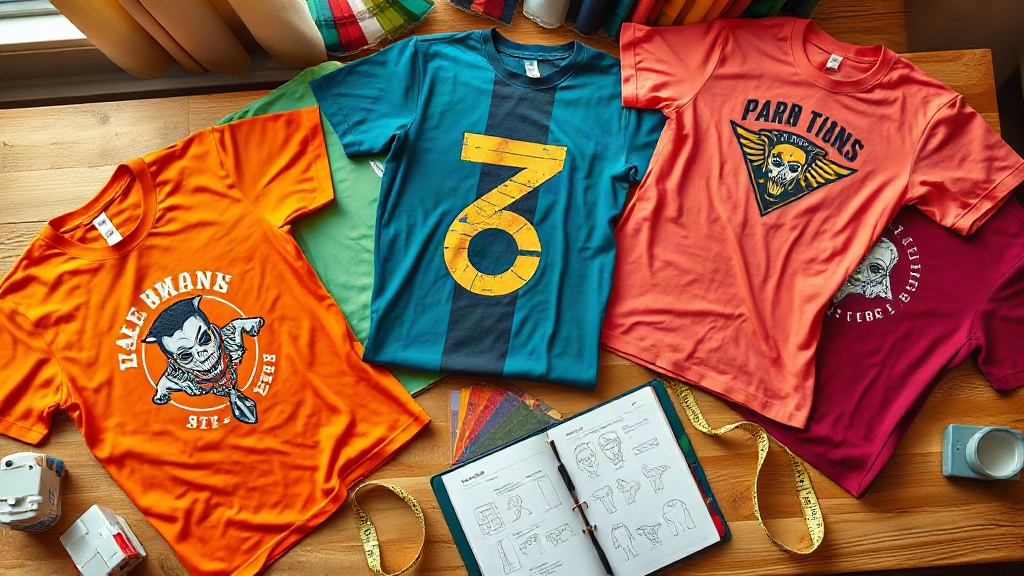
Imagine walking into a room wearing a shirt that perfectly expresses your personality or promotes your brand. Custom shirts offer exactly that: a unique blend of style, comfort, and individuality. Whether you're an individual looking to upgrade your wardrobe or a business aiming to boost team spirit, custom shirts are a powerful tool. In this guide, we'll explore everything you need to know to create shirts that you'll love to wear and share.
Why Custom Shirts Are More Than Just Clothing
Custom shirts are a statement. They tell the world who you are, what you stand for, and what you love. Unlike mass-produced apparel, a custom shirt is designed by you, for you. This personal touch makes every piece special. But the benefits go beyond aesthetics. Custom shirts can also be a smart marketing move for businesses, creating a walking billboard that people actually want to wear.
Personal Expression
Your wardrobe is an extension of your identity. With custom shirts, you can choose colors, fonts, and graphics that resonate with your personal style. Love a minimalist look? Go for a small chest logo. Prefer bold statements? A full-front print might be your thing. The options are endless, and that's what makes it exciting.
Brand Promotion
For businesses, custom shirts are a cost-effective way to increase brand visibility. Employees wearing branded apparel become brand ambassadors, sparking conversations and building trust. Plus, when done right, custom shirts look professional and polished, enhancing your company's image.
Group Identity
Teams, clubs, and event organizers often use custom shirts to foster a sense of belonging. Matching shirts create unity and make it easy to spot group members in a crowd. Whether it's a family reunion or a corporate retreat, custom shirts bring people together.
Choosing the Right Fabric for Your Custom Shirts
The fabric you choose dramatically affects how your custom shirt feels, fits, and lasts. Here's a breakdown of common options:
- Cotton: Soft, breathable, and versatile. Perfect for everyday wear. Ringspun cotton is a popular choice for its smooth texture.
- Cotton blends: Combine cotton with polyester for increased durability and reduced shrinkage. Great for uniforms and activewear.
- Polyester: Moisture-wicking and quick-drying. Ideal for sports and outdoor events.
- Tri-blends: A mix of cotton, polyester, and rayon. Offers a vintage, super-soft feel. Slightly more expensive but worth it for premium shirts.
Consider the intended use. For a casual shirt, cotton or tri-blend works well. For performance wear, go with polyester. Always request fabric samples if you're ordering in bulk to ensure satisfaction.
Printing Techniques for Custom Shirts
Once you've chosen the fabric, it's time to decide how to apply your design. The printing method impacts the look, feel, and longevity of your custom shirts. Here are the most common techniques:
Screen Printing
Screen printing is the most popular method for bulk orders. It involves pushing ink through a mesh screen onto the fabric. It's cost-effective for large quantities and produces vibrant, long-lasting colors. However, it's not ideal for complex designs with many colors, as each color requires a separate screen.
Direct-to-Garment (DTG)
DTG printing works like a specialized inkjet printer for shirts. It's perfect for detailed, full-color designs and small batches. The ink is absorbed into the fabric, resulting in a soft feel. However, DTG may not be as durable as screen printing on dark colors.
Heat Transfer
Heat transfer involves printing your design onto a special paper and then applying it to the shirt with heat and pressure. It's great for small runs and complex designs. The result is a smooth, slightly raised print. Keep in mind that the durability depends on the quality of the transfer and the washing care.
Embroidery
For a premium, professional look, embroidery is the way to go. It's often used for logos on polos and button-downs. Embroidery is durable and adds a tactile element. However, it can be more expensive and may not be suitable for very intricate designs.
Design Tips for Custom Shirts That Stand Out
Creating a custom shirt that looks great involves more than just picking a design. Here are some expert tips to ensure your shirts hit the mark:
- Keep it simple: A clean, uncluttered design is often more effective. Avoid too many elements that compete for attention.
- Consider placement: The left chest is classic for logos, while full-front prints make a bold statement. Back prints are great for larger designs.
- Use high-resolution graphics: Low-quality images will look pixelated when printed. Always use vector files or high-res images.
- Think about color contrast: Ensure your design stands out against the shirt color. Light designs on dark shirts and vice versa.
- Test with a sample: Before committing to a large order, order a sample to check the print quality and fit.
How to Order Custom Shirts: A Step-by-Step Guide
Ready to create your own custom shirts? Follow these steps to ensure a smooth process:
- Define your purpose: Is it for personal use, a team, or a business? This will guide your choices.
- Choose a reputable supplier: Look for companies with good reviews and a portfolio of work. Smart Blanks Market offers a range of blank shirts perfect for customization.
- Select your shirt style and fabric: Pick from t-shirts, polos, hoodies, etc., and choose the fabric that suits your needs.
- Finalize your design: Work with a designer or use online tools to create your artwork. Ensure it's print-ready.
- Decide on printing method: Based on your design and quantity, choose the best printing technique.
- Place your order: Provide accurate sizes and quantities. Double-check everything before submitting.
- Review and approve: Many suppliers send a digital proof or a physical sample for approval.
Care and Maintenance for Long-Lasting Custom Shirts
To keep your custom shirts looking new, follow these care tips:
- Wash inside out in cold water to protect the print.
- Avoid using bleach or fabric softeners, which can damage the design.
- Tumble dry on low or hang dry to prevent shrinkage and cracking.
- Iron inside out, avoiding the printed area.
- Store folded or hung neatly to avoid wrinkles.
Frequently Asked Questions About Custom Shirts
How much do custom shirts cost?
The cost varies based on fabric, printing method, and quantity. Generally, prices range from $10 to $50 per shirt. Bulk orders often receive discounts, so it's worth requesting a quote.
What is the minimum order quantity for custom shirts?
Minimums depend on the supplier and printing method. Some companies offer no minimum for DTG printing, while screen printing may require at least 12 pieces. Always check with your chosen vendor.
Can I put a logo on a shirt I already own?
Yes, many print shops offer a service to print on customer-supplied garments. However, they may not guarantee the result if the fabric is unsuitable. It's often easier to start with a blank shirt from a supplier.
How long does it take to receive custom shirts?
Turnaround time varies. For small orders, it can be as quick as 3-5 business days. Larger orders may take 2-3 weeks. Always confirm the timeline before ordering, especially for events.
What file format should I use for my design?
Vector files (AI, EPS, PDF) are best for printing because they can be scaled without losing quality. If you only have a raster image (JPG, PNG), ensure it's high resolution (at least 300 DPI).
Custom shirts are a fantastic way to express yourself or promote your brand. With the right fabric, printing method, and design, you can create shirts that people will love to wear. Remember to order samples, communicate clearly with your supplier, and follow care instructions to enjoy your custom shirts for years to come.