
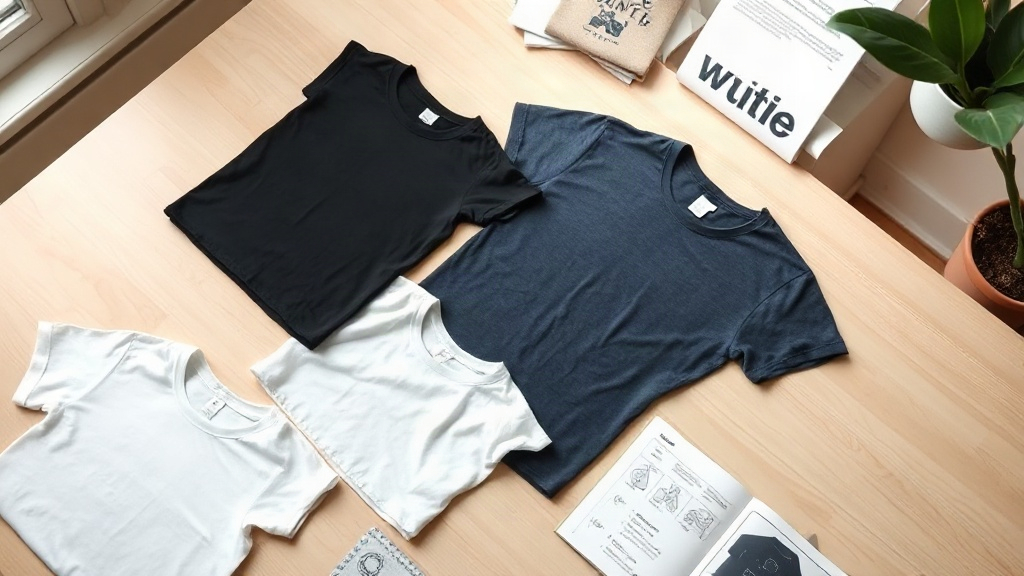
Creating custom shirts is more than a hobby; it's a way to express identity, build community, and even grow a business. Whether you're designing team apparel, commemorating an event, or launching a clothing line, the process can feel overwhelming. With the right knowledge, you can turn a simple idea into a wearable masterpiece. This guide walks you through every step, from selecting the perfect blank to choosing a printing method that lasts.
Why Custom Shirts Matter
Custom apparel has become a staple in personal and professional settings. A well-designed shirt can unify a group, promote a brand, or simply make a statement. The key is to approach the design and production thoughtfully. Unlike mass-produced items, custom shirts carry a personal touch that resonates with wearers and viewers alike.
Personal Expression and Branding
For individuals, a custom shirt is a canvas. You can showcase artwork, slogans, or inside jokes. For businesses, it's a mobile billboard. Employees wearing branded shirts create a professional image and increase visibility. The versatility makes custom shirts a powerful tool for anyone.
Building Community and Team Spirit
When a group wears matching shirts, it fosters a sense of belonging. Sports teams, clubs, and corporate events often use custom apparel to strengthen bonds. The shared visual identity boosts morale and makes members feel part of something bigger.
Choosing the Right Blank T-Shirt
The foundation of any great custom shirt is the blank itself. Not all blanks are created equal; the fabric, fit, and color affect both comfort and print quality. Smart Blanks Market offers a wide range of high-quality blanks to suit any project.
Fabric Matters
Cotton is the most popular choice for its softness and breathability. Ring-spun cotton is even softer and smoother, ideal for detailed prints. Cotton-poly blends offer durability and reduced shrinkage, while tri-blends provide a vintage, ultra-soft feel. Consider the end use: a lightweight cotton tee works for summer events, while a heavier blend suits workwear.
Fit and Style
From classic crew necks to trendy oversized tees, the fit sets the tone. Unisex styles are versatile, but women's cuts and youth sizes ensure a better fit for all body types. Also, think about sleeve length, neckline, and hem. The right style enhances the design and wearer satisfaction.
Color Selection
Color impacts how your design pops. Light blanks make dark prints stand out, while dark blanks require lighter or contrasting inks. Neutral tones like white, black, and grey are safe bets, but don't shy away from bold hues for a statement. Always request a swatch or sample to see the true color.
Printing Methods for Custom Shirts
Once you have your blank, the next step is printing. Each method has its strengths, and the best choice depends on your design complexity, quantity, and budget.
Screen Printing
Screen printing is the go-to for large orders. It involves pushing ink through a mesh screen, one color at a time. It's cost-effective for bulk and produces vibrant, long-lasting prints. However, setup costs are high, so it's less ideal for small runs or multi-color designs.
Direct-to-Garment (DTG) Printing
DTG printing works like an inkjet printer for fabric. It's perfect for detailed, full-color designs and small batches. No setup fees mean you can print one shirt at a time. The ink bonds with the fabric, offering a soft feel, though durability can vary. It works best on 100% cotton.
Heat Transfer and Vinyl
Heat transfer involves printing a design on special paper and pressing it onto the shirt. Vinyl cutting is similar but uses colored sheets. Both are great for small runs and simple designs with few colors. They're accessible for home businesses, but may not withstand as many washes as screen printing.
Design Tips for Standout Custom Shirts
A great design balances creativity with practicality. Keep these tips in mind to ensure your shirt looks professional and wears well.
- Keep it simple: Less is often more. A clean, bold graphic often outperforms a cluttered one.
- Consider placement: Left chest, full front, or back? Think about visibility and how the design sits on the body.
- Use high-resolution files: Vector files (AI, EPS) scale without losing quality. For raster images, aim for 300 DPI at print size.
- Test with a sample: Always order a sample before a large run to check colors and print quality.
How to Start Your Custom Shirt Project
Ready to bring your idea to life? Follow this step-by-step approach to streamline the process.
- Define your purpose: Is it for an event, a team, or resale? This guides quantity and budget.
- Choose a blank: Select fabric, fit, and color from a reputable supplier like Smart Blanks Market.
- Create your design: Use design software or hire a professional. Keep it print-friendly.
- Select a printing method: Based on design, quantity, and longevity.
- Order a sample: Verify the look and feel before committing to a full order.
- Place your order: Communicate clearly with your printer and confirm timelines.
Common Mistakes to Avoid
Even seasoned creators slip up. Watch out for these pitfalls to save time and money.
- Ignoring fabric-ink compatibility: Some inks work better on certain fabrics. Always consult your printer.
- Using low-resolution images: Pixelated prints look unprofessional.
- Forgetting about wash care: Provide care instructions to maintain the print's longevity.
- Underestimating costs: Factor in setup fees, shipping, and taxes.
Frequently Asked Questions About Custom Shirts
What is the best fabric for custom shirts?
100% cotton is ideal for breathability and print vibrancy, especially for DTG. Cotton-poly blends offer durability and are great for screen printing. Tri-blends provide a soft, vintage feel but may require specific inks.
How much does it cost to make custom shirts?
Costs vary widely. A basic blank tee might cost $5-$15, while printing adds $5-$20 per shirt depending on method and quantity. Bulk orders reduce per-unit costs. Always request quotes for accurate pricing.
Can I print on dark shirts?
Yes, but it requires a white underbase for screen printing or DTG to make colors pop. Without it, inks may appear muted. Some methods like vinyl or heat transfer work well on dark fabrics with opaque materials.
How do I wash custom shirts to preserve the print?
Turn the shirt inside out and wash in cold water on a gentle cycle. Avoid bleach and fabric softeners. Tumble dry low or hang dry. Iron inside out, never directly on the print.
What file format should I use for my design?
Vector files (AI, EPS, PDF) are best as they scale infinitely. If using raster images (PNG, JPG), ensure they are at least 300 DPI at the final print size. Transparent backgrounds are helpful for DTG.
With these insights, you're well-equipped to create custom shirts that impress. Remember, quality blanks and thoughtful design make all the difference. Start your project today and wear your creativity with pride.