
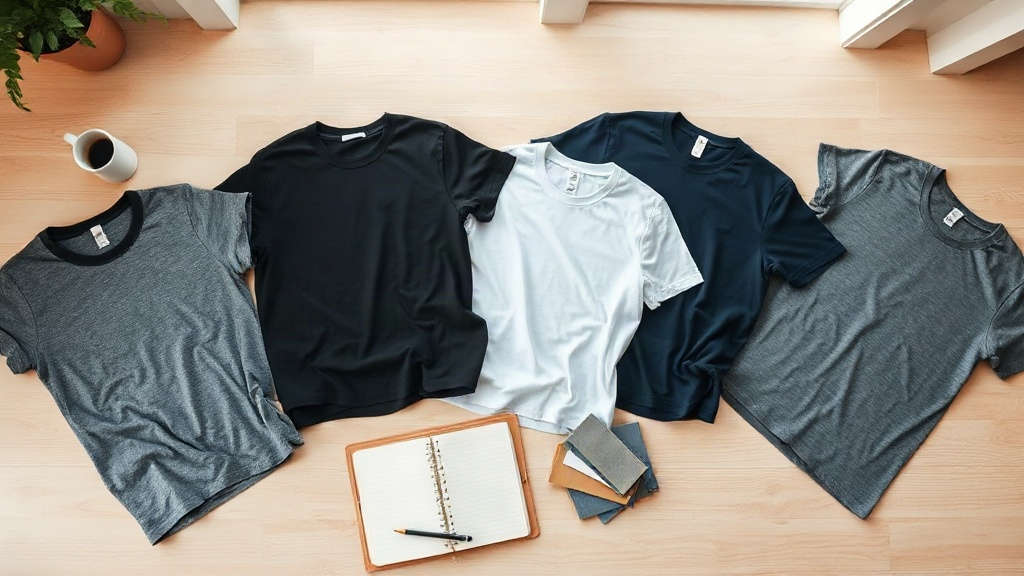
When you slip into a shirt that was made specifically for you, something shifts. It's not just about fit or fabric; it's about expression. Custom shirts have moved from niche novelty to essential wardrobe staple, and for good reason. They let you wear your personality, promote your brand, or simply enjoy a level of comfort that off-the-rack options rarely deliver. Whether you're a business owner looking to outfit your team, an event organizer planning memorable giveaways, or an individual who values one-of-a-kind style, understanding the world of custom shirts opens up a realm of possibilities.
Why Custom Shirts Are More Than Just a Trend
The rise of custom shirts isn't a fleeting fad. It's a response to a broader cultural shift toward personalization and authenticity. People want what they wear to mean something. A custom shirt can commemorate a milestone, showcase a passion, or unify a group. Beyond sentiment, there are practical advantages: you control the fit, the fabric weight, the collar style, and the print method. That means you're not settling for a generic cut or a design that peels after three washes. You're investing in a garment that's built to your specifications and made to last.
Self-Expression Worn Proudly
Fashion has always been a language, and custom shirts give you a broader vocabulary. You can choose a bold all-over print that screams your brand's identity or a subtle embroidered logo on the chest that whispers sophistication. The canvas is yours. For individuals, it's a chance to wear art, humor, or a cause close to your heart. For businesses, it's a walking billboard that feels authentic rather than intrusive.
Building Community and Brand Identity
Think about the last event you attended where everyone wore matching shirts. There's an instant sense of belonging. Custom shirts create that tribe mentality. For companies, team uniforms in custom shirts foster camaraderie and make employees feel part of something bigger. For social clubs, family reunions, or bachelor parties, a custom design turns an ordinary gathering into a coordinated, photogenic memory.
Choosing the Right Fabric for Your Custom Shirts
The fabric you select dictates how your custom shirts feel, drape, and hold up over time. It's the foundation of a great garment, so don't rush this decision.
Cotton: The Classic Choice
Cotton is breathable, soft, and takes printing and embroidery beautifully. It's the go-to for most custom shirts because it's versatile and comfortable. Within cotton, you'll find variations: combed cotton (softer, smoother), ring-spun cotton (stronger, finer yarn), and organic cotton (eco-friendly). For everyday wear, a 100% cotton tee or polo is hard to beat. It's also the best canvas for detailed designs because the fibers accept ink well.
Blends: The Best of Both Worlds
Cotton-polyester blends offer durability and reduced shrinkage. They resist wrinkles, which makes them ideal for uniforms or corporate custom shirts that need to look crisp after repeated wear and washing. Tri-blends (cotton, polyester, rayon) are incredibly soft and have a vintage, heathered look that's popular for casual and fashion-forward designs.
Performance Fabrics: For Active Lifestyles
If your custom shirts are destined for the gym, outdoor events, or sports teams, consider performance fabrics. These moisture-wicking, quick-drying materials keep the wearer cool and dry. They often have a bit of stretch for unrestricted movement. While they may cost more, the functionality is worth it for active use.
Popular Printing Techniques for Custom Shirts
Once you've chosen your fabric, the next step is deciding how to apply your design. The method affects the look, feel, and longevity of your custom shirts.
Screen Printing
Screen printing is the workhorse of the industry. It's cost-effective for large orders, offers vibrant colors, and can produce a soft-hand feel with the right inks. It works best for simple designs with few colors. If you're ordering 50+ custom shirts with a bold logo, screen printing is often the most economical choice.
Direct-to-Garment (DTG) Printing
DTG is like printing on paper but for fabric. It's perfect for complex, full-color designs and small batches because there's no setup cost. The ink is water-based and sits on top of the fabric, so it's best for 100% cotton. The print may fade slightly over many washes, but modern DTG has improved durability significantly. For one-off custom shirts or photo-realistic images, DTG is a fantastic option.
Heat Transfer and Vinyl
Heat transfer involves printing your design onto a special paper and then pressing it onto the shirt with heat. It's great for small runs and detailed designs. Vinyl cutting is another method where a colored film is cut into your design and pressed on. It's durable and works well for simple text and logos. Both are accessible for DIY enthusiasts and small businesses.
Embroidery
For a premium, professional look, embroidery is unmatched. It adds texture and perceived value. Corporate custom shirts often feature embroidered logos on the left chest. It's durable and withstands frequent washing. However, it's not ideal for very detailed designs or large areas.
Design Tips for Standout Custom Shirts
Creating a design that looks great on a shirt requires more than just a cool graphic. Keep these principles in mind.
- Less is more: A simple, clean design often outperforms a cluttered one. Focus on one key message or image.
- Think about placement: Left chest, full front, back, sleeve—each location has a different impact. Consider how the design will look when worn.
- Use high-contrast colors: Ensure your design stands out against the shirt color. If the shirt is dark, use light ink, and vice versa.
- Test before you commit: Always request a sample or digital mockup. What looks good on screen may not translate perfectly to fabric.
- Consider the fabric: Some printing methods work better on certain fabrics. For example, DTG is best on 100% cotton, while screen printing works on almost anything.
How to Order Custom Shirts: A Step-by-Step Guide
Ordering custom shirts can seem daunting, but breaking it down makes it manageable.
- Define your purpose: Is it for an event, a team, a business, or personal use? This will guide your choices.
- Set a budget: Custom shirts range from budget-friendly to premium. Know your limits.
- Choose your shirt style: T-shirt, polo, button-down, tank top? Consider the occasion and comfort.
- Select fabric and color: Think about the environment and desired look.
- Decide on printing method: Based on design complexity, quantity, and budget.
- Create or upload your design: Use a design tool or hire a professional. Ensure it's high-resolution.
- Place your order: Double-check sizes, quantities, and shipping details.
Common Mistakes to Avoid with Custom Shirts
Even seasoned buyers can slip up. Here are pitfalls to watch for.
- Ignoring size charts: Sizes vary by brand and style. Always consult the specific size chart and consider ordering a sample.
- Using low-resolution images: Pixelated designs look unprofessional. Ensure your artwork is at least 300 DPI.
- Forgetting about care instructions: Some prints require washing inside out and hanging to dry. Inform your recipients if needed.
- Ordering too few or too many: Factor in extras for mistakes or growth. But don't over-order if the design is time-sensitive.
- Not checking the final proof: Always review the digital proof carefully for spelling errors and color accuracy.
Frequently Asked Questions About Custom Shirts
How long does it take to get custom shirts made?
Turnaround time depends on the printing method and order size. Screen printing typically takes 5-10 business days after proof approval, while DTG can be faster, often 2-5 days. Rush options are available from many providers for an extra fee. Always confirm timelines before ordering, especially for event deadlines.
Can I put a custom design on any type of shirt?
Most shirts can be customized, but the best method varies. For example, DTG works best on 100% cotton, while embroidery is ideal for polos and button-downs. Performance fabrics may require specialized inks. Consult your printer to match the design to the right garment.
What's the minimum order for custom shirts?
Minimums vary widely. Some printers have no minimum for DTG, allowing you to order a single shirt. Screen printing often requires a minimum of 12-24 pieces to be cost-effective. Embroidery can be done on single items but may have a setup fee. Always ask about minimums and setup costs.
How should I care for my custom shirts to make them last?
Turn the shirt inside out before washing, use cold water, and avoid harsh detergents. Tumble dry on low or hang dry. Avoid ironing directly on the print; if needed, iron inside out. Following these steps will keep your custom shirts looking new for years.
Are custom shirts more expensive than regular shirts?
Yes, due to the personalization process, custom shirts typically cost more than blank counterparts. However, prices have become more accessible with digital printing. For large orders, the per-unit cost drops significantly. Consider it an investment in uniqueness and quality.
Whether you're ordering one shirt or one thousand, the world of custom shirts offers endless ways to express yourself. By understanding fabrics, printing methods, and design principles, you'll create apparel that people actually want to wear. So go ahead, start designing, and wear your story with pride.