
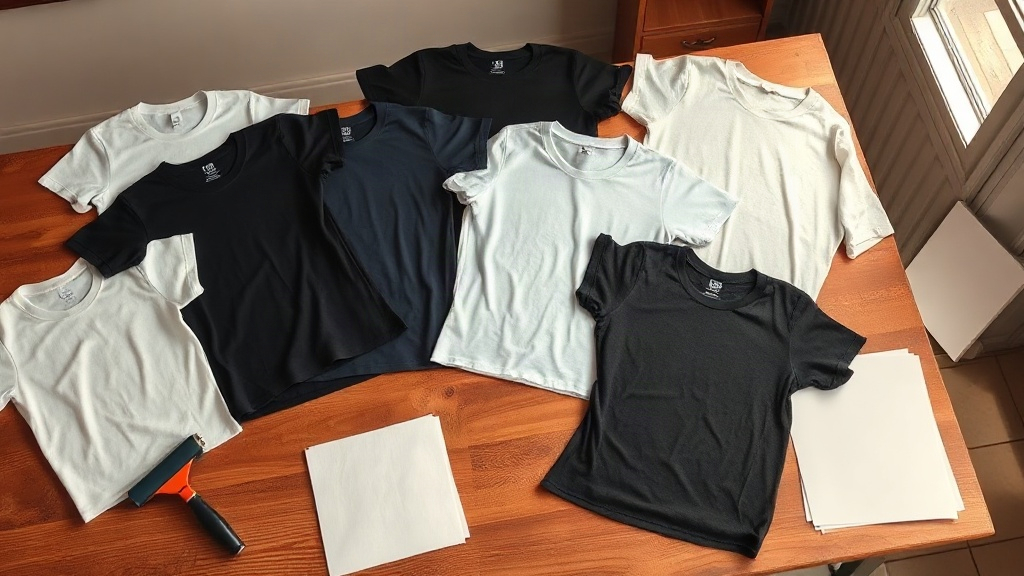
There's a certain magic in pulling on a t-shirt that's entirely your own. Whether you're launching a brand, organizing an event, or just want a wardrobe that reflects your personality, custom shirts offer a canvas like no other. But between choosing the right blank and mastering the print, the process can feel overwhelming. This guide walks you through every step, drawing on years of hands-on experience in the apparel printing world. By the end, you'll know exactly how to turn a simple idea into a wearable piece of art.
Why Custom Shirts Are More Than Just Merch
Custom apparel has exploded in popularity, and for good reason. It's no longer just for bands and corporate giveaways. People wear custom shirts to express identity, celebrate milestones, and build communities. A well-made custom tee can become someone's favorite item of clothing, worn until the seams give out. That emotional connection is what separates a generic promotional product from a garment people actually love.
From a business perspective, custom shirts are a low-risk, high-reward product. They allow small brands to test designs, create limited drops, and foster loyalty. For individuals, they're a way to commemorate a trip, a joke, or a cause. The key is to approach the process with the same care you'd give any creative project.
Choosing the Right Blank for Custom Shirts
The foundation of any great custom shirt is the blank itself. You can have the most stunning design, but if the shirt feels rough or fits poorly, it won't get worn. When sourcing blanks, consider three factors: fabric, fit, and color.
Fabric Matters More Than You Think
Cotton is the classic choice for custom shirts, but not all cotton is created equal. Ringspun cotton, for example, is softer and more durable than standard carded cotton. It's made by spinning the cotton fibers into a fine, tight yarn, resulting in a smoother surface that takes prints beautifully. If you're aiming for a premium feel, look for combed ringspun cotton or blends with a touch of polyester for stretch and wrinkle resistance.
Tri-blends (cotton, polyester, and rayon) offer an ultra-soft, vintage look that's popular in retail. They drape well and have a heathered appearance that can make designs look more integrated. However, they can be trickier to print on because of the uneven surface. For beginners, a 100% ringspun cotton tee is a safe and rewarding starting point.
Fit and Style: Finding Your Silhouette
Gone are the days when one boxy unisex tee fit all. Today's market demands options: slim fit, relaxed fit, cropped, longline, and more. The fit you choose should align with your target audience and the vibe of your design. A streetwear brand might opt for an oversized heavyweight tee, while a tech startup might prefer a modern fitted cut.
Pay attention to details like shoulder seams, hem stitching, and collar ribbing. These small elements signal quality. A double-needle hem, for instance, resists rolling and adds durability. A taped neck and shoulders prevent stretching. When you're selling custom shirts, these nuances can justify a higher price point and reduce returns.
Color Selection and Its Impact
Color sets the mood. White and light heathers are versatile and make colorful prints pop. Black and navy offer a sleek, premium look and hide minor stains. Earth tones and pastels are trending for their soft, approachable aesthetic. Remember that the shirt color interacts with your ink colors. For example, printing yellow on a white shirt yields a subtle, sunny effect, while the same yellow on a black shirt becomes bold and electric.
Always request swatches or order sample blanks before committing to a large run. Screen colors can vary, and seeing the actual fabric in person is the only way to be sure. At Smart Blanks Market, we emphasize the importance of testing blanks, because a great blank is the silent hero of every custom shirt.
Printing Techniques for Custom Shirts
Once you've chosen your blank, it's time to bring your design to life. The printing method you choose affects everything from the look and feel to the cost and durability. Here's a breakdown of the most common techniques.
Screen Printing: The Industry Standard
Screen printing involves pushing ink through a mesh screen onto the fabric. It's ideal for bold, simple designs with a limited number of colors. The result is vibrant, opaque, and long-lasting. Setup costs can be high because each color requires a separate screen, but for large orders, the per-unit cost drops significantly. If you're printing 50+ shirts with a two-color logo, screen printing is often the most economical choice.
One tip: use a high mesh count for fine details and a lower mesh count for thick, opaque inks. Also, consider the ink type. Plastisol ink is the most common, offering bright colors and easy application. Water-based ink gives a softer, more vintage feel but requires more skill to handle.
Direct-to-Garment (DTG) Printing
DTG printing works like a specialized inkjet printer for fabric. It's perfect for full-color, photographic designs with lots of detail. There's no setup cost, making it great for small batches or print-on-demand. However, DTG inks sit on top of the fabric and can fade over time if not cared for properly. Pre-treatment is often necessary to help the ink bond, especially on dark shirts.
For best results with DTG, choose a 100% cotton shirt with a tight weave. Ringspun cotton is ideal. Avoid heavily textured fabrics, as the ink may not adhere evenly.
Heat Transfer and Vinyl
Heat transfer involves printing your design onto a special paper and then pressing it onto the shirt with a heat press. It's accessible for home crafters and allows for full-color designs. Vinyl cutting, on the other hand, uses a cutter to cut shapes from colored vinyl, which are then heat-pressed. Vinyl is durable and great for simple text and logos, but it can feel stiff on large areas.
Both methods are popular for personalization and small runs. They require a heat press for professional results, but the investment pays off if you plan to make many shirts.
Embroidery: Adding Texture and Class
Embroidery uses thread to stitch your design into the fabric. It's a premium option often used for polos, hats, and left-chest logos. Embroidery is extremely durable and gives a high-end look. However, it's not suitable for fine details or gradients. Digitizing the design is a necessary step, which adds a one-time cost.
Designing for Custom Shirts: Best Practices
Your design is the star of the show. But a design that looks great on a screen might not translate well to fabric. Keep these guidelines in mind.
- Keep it simple. Bold, clean graphics work best, especially for screen printing. Avoid thin lines and tiny text.
- Consider the placement. Center chest, left chest, full back, and sleeves are common. Think about how the design interacts with seams and folds.
- Use the right file format. Vector files (AI, EPS, PDF) are ideal because they scale without losing quality. If you only have a raster image (JPG, PNG), ensure it's high resolution (300 DPI at print size).
- Mock it up. Use online mockup tools or create a physical sample to see how the design looks on the actual shirt color and fit.
- Test before you invest. Order a single sample print to check colors, placement, and feel. It's worth the small cost to avoid a large mistake.
Remember, your custom shirts represent you or your brand. A little extra time in the design phase goes a long way.
Sourcing Blanks: Where to Buy Quality Custom Shirts
Finding reliable blanks can be a challenge. You want consistent quality, fair prices, and good color availability. Smart Blanks Market specializes in providing top-tier blanks from trusted brands, ensuring your custom shirts start on the right foot. We carry a range of styles, from basic tees to premium tri-blends, so you can find the perfect match for your project.
When sourcing, consider the following:
- Minimum order quantities (MOQs). Some suppliers require large orders, while others cater to small businesses.
- Shipping and lead times. Plan ahead, especially for time-sensitive projects.
- Customer reviews and samples. Order a sample pack to evaluate fabric and fit.
- Sustainability. Look for organic cotton or recycled materials if that aligns with your values.
Building a relationship with a trusted supplier can streamline your production and open up possibilities for custom labeling and private labeling.
Caring for Your Custom Shirts
To keep your custom shirts looking great, follow these care tips:
- Turn the shirt inside out before washing.
- Use cold water and a gentle cycle.
- Avoid bleach and fabric softeners, which can degrade the print.
- Tumble dry on low or hang to dry.
- Iron inside out, avoiding the printed area.
With proper care, a quality custom shirt can last for years, becoming a cherished item in anyone's wardrobe.
Frequently Asked Questions About Custom Shirts
What is the best fabric for custom shirts?
For most projects, 100% ringspun cotton offers the best balance of softness, durability, and printability. Tri-blends are great for a vintage look but can be trickier to print. If you need wrinkle resistance, a cotton-poly blend is a good choice.
How many colors can I print on a custom shirt?
With screen printing, you can print as many colors as you like, but each color adds cost and complexity. For full-color designs, DTG or heat transfer is more practical. Vinyl is limited to the colors of the vinyl you cut.
Can I print on dark shirts?
Yes, but you'll need a white underbase for screen printing or DTG to make colors pop. Without it, inks may appear muted or tinted by the shirt color. Some specialty inks, like discharge, can create a soft, no-underbase look on dark fabrics.
How do I choose the right size for my custom shirts?
Always consult the supplier's size chart and, if possible, order a sample in the size you plan to wear. Fit can vary between brands and styles. Consider your audience: if you're selling, offering a size run from S to 3XL increases inclusivity.
What's the most cost-effective printing method for small batches?
For small batches (under 20 pieces), DTG or heat transfer is usually more cost-effective because there are no setup fees. Screen printing becomes economical at larger quantities where the setup cost is spread across many shirts.
Creating custom shirts is a rewarding journey that combines creativity with craftsmanship. By choosing the right blank, mastering a printing technique, and designing with care, you can produce shirts that people will love to wear. Whether you're a hobbyist or a business owner, the possibilities are endless. Start with a single shirt, learn from the process, and watch your custom apparel line grow.