
You've probably been there: you order a shirt online, excited to wear it, only to find it's too tight in the shoulders or too loose in the waist. Off-the-rack shirts are designed for average proportions, but nobody is perfectly average. That's where custom shirts come in. They're made to your exact measurements, so you get a fit that feels like it was tailored just for you (because it was). In this guide, we'll walk you through the process of getting a perfect fit, from taking accurate measurements to choosing the right fabric and details. Whether you're a first-timer or looking to refine your approach, you'll find practical tips to make your next custom shirt your best one yet.
Why Custom Shirts Are Worth It
If you've never worn a custom shirt, you might wonder if the extra effort is justified. The short answer: absolutely. A well-fitting shirt transforms your appearance, making you look sharper and more put-together. But beyond looks, custom shirts offer comfort that ready-to-wear can't match. No more tugging at your collar or adjusting your cuffs all day. Plus, you get to choose every detail, from the collar style to the buttons. It's a garment that reflects your personal style and fits your body perfectly. And once you have your measurements on file, reordering is a breeze.
How to Take Accurate Measurements for Custom Shirts
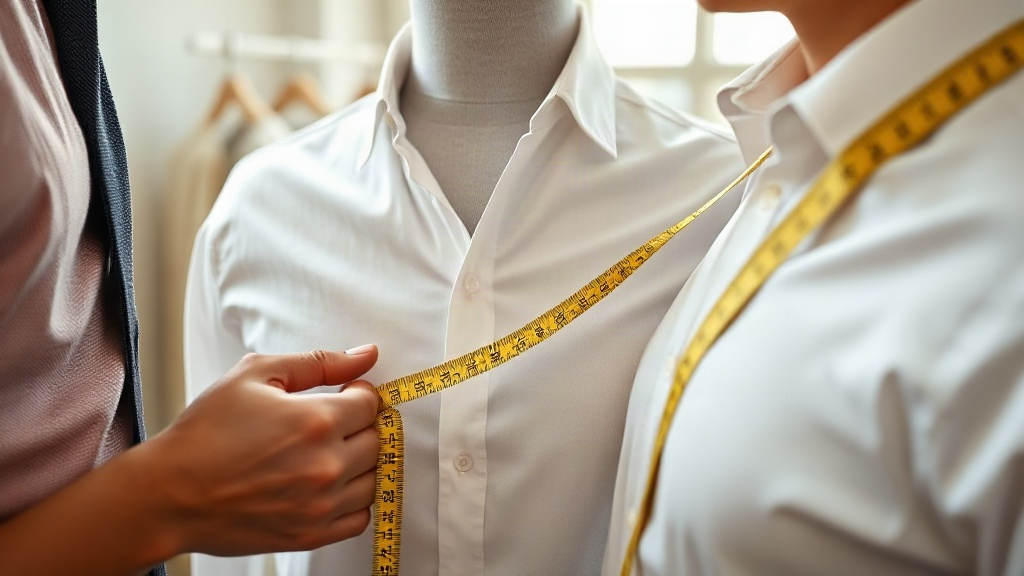
The foundation of a great custom shirt is precise measurements. You can measure yourself, but it's easier and more accurate if someone helps you. Use a flexible measuring tape and wear a well-fitting shirt (not too baggy or tight). Stand naturally, and keep the tape snug but not tight. Here are the key measurements you'll need:
- Neck: Measure around the base of your neck where the collar sits. Insert one finger between the tape and your neck for comfort.
- Chest: Measure around the fullest part of your chest, keeping the tape horizontal.
- Waist: Measure around your natural waistline, which is the narrowest part of your torso.
- Hips: Measure around the fullest part of your hips.
- Sleeve length: From the center back of your neck, over your shoulder, and down to where you want the cuff to end (usually at the wrist bone).
- Shirt length: From the top of your shoulder (near the neck) down to where you want the hem to fall.
Double-check each measurement. It's better to measure twice and order once. If you're unsure, many custom shirt makers offer size guides or customer support to help.
Choosing the Right Fabric for Your Custom Shirts
The fabric you choose affects how your shirt looks, feels, and performs. Here's a quick rundown of common options:
- Cotton: The classic choice. Breathable, soft, and versatile. Look for long-staple cotton like Egyptian or Supima for extra durability and smoothness.
- Linen: Great for warm weather. It's lightweight and breathable but wrinkles easily, which some consider part of its charm.
- Cotton-linen blends: Offer the best of both worlds: breathability with fewer wrinkles.
- Oxford cloth: A bit more textured and casual, perfect for everyday wear.
- Poplin: Smooth and lightweight, ideal for dress shirts.
Consider the season and occasion. For year-round wear, a medium-weight cotton twill or broadcloth works well. For summer, go lighter with linen or poplin. Also think about care: some fabrics require ironing, while others are more wrinkle-resistant.
Design Details That Make a Difference
Once you have the fit and fabric sorted, you can customize the design. Small choices can significantly impact the shirt's overall look and how you wear it.
Collar Style
The collar frames your face, so choose one that suits your face shape and intended use. Spread collars work well for business settings, while button-down collars are more casual. Cutaway collars are bold and modern.
Cuff Style
Barrel cuffs are standard and versatile, while French cuffs add a touch of formality and require cufflinks. If you wear a watch, consider a slightly larger cuff to accommodate it.
Pocket or No Pocket
A pocket adds a casual touch and utility, but omitting it creates a cleaner, dressier look. It's purely a personal preference.
Buttons and Thread
Mother-of-pearl buttons are a classic choice, but you can also opt for plastic or metal. Contrasting thread on the buttons or buttonholes can add a subtle detail.
Common Fit Issues and How to Avoid Them
Even with custom shirts, things can go wrong if measurements are off. Here are typical issues and how to prevent them:
- Neck too tight or loose: Ensure you can fit one finger between the collar and your neck. If you're between sizes, go with the larger size and have it altered.
- Chest pulling: If the shirt pulls across your chest, you may need more room in the chest or a different cut (e.g., slim vs. regular).
- Sleeves too long or short: The cuff should end at the base of your thumb when your arm is relaxed at your side.
- Shirt untucking: If the shirt length is too short, it won't stay tucked. Aim for a length that covers your rear when untucked.
If you're unsure, order a test shirt first or consult with the maker's fit specialists.
How to Care for Your Custom Shirts
To keep your custom shirts looking great, follow the care instructions. Generally, machine wash cold and hang dry to prevent shrinkage. Iron on a medium setting, and avoid direct heat on buttons. Rotate your shirts to reduce wear. With proper care, a quality custom shirt can last for years.
Frequently Asked Questions About Custom Shirts
How long does it take to get custom shirts made?
Turnaround time varies by maker, but typically it takes 2-4 weeks from order to delivery. Some expedited services can do it in a week for an extra fee.
Can I order custom shirts online without seeing the fabric in person?
Yes, many online custom shirt companies provide fabric swatches you can order beforehand. It's a good idea to feel the fabric and see the color in person before committing.
What if my custom shirt doesn't fit perfectly when it arrives?
Most reputable makers offer a fit guarantee and will remake the shirt or adjust it for free. Always check their policy before ordering.
Are custom shirts more expensive than store-bought?
They can be, but the price range is wide. Entry-level custom shirts might start around $50, while premium ones can exceed $200. Considering the fit and quality, many find them worth the investment.
How often should I update my measurements?
If your weight fluctuates significantly or you start a new workout regimen, remeasure. Otherwise, it's good to check every year or two.