
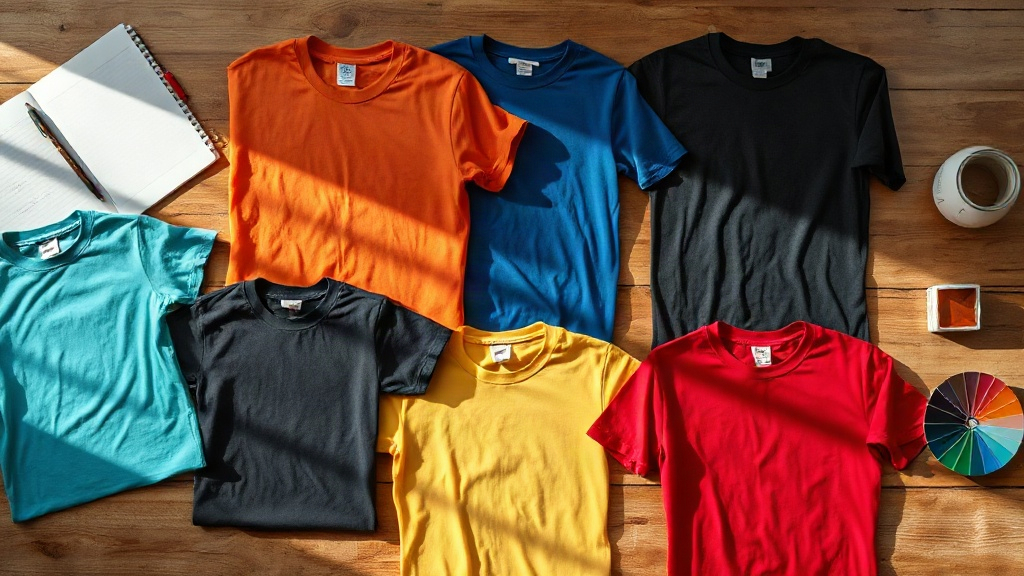
Creating Custom Shirts is more than just a creative project; it's a way to express identity, build team spirit, or launch a brand. Whether you're designing for a small group or a large event, the process can be both exciting and overwhelming. With the right knowledge, you can avoid common pitfalls and produce shirts that people actually want to wear. This guide walks you through every step, from picking the perfect blank to choosing a printing method that lasts.
Why Custom Shirts Matter
Custom apparel has become a staple in marketing, events, and personal style. Unlike generic tees, Custom Shirts tell a story. They can unify a team, promote a cause, or simply showcase your unique taste. But not all custom shirts are created equal. The difference lies in the details: fabric quality, print durability, and fit. When done right, a custom shirt becomes a favorite item in the wardrobe, not just a giveaway.
Choosing the Right Blank Shirt
The foundation of any great custom shirt is the blank itself. You can't print a masterpiece on a poor-quality canvas. Consider these factors:
Fabric Type and Weight
Cotton, blends, and performance fabrics each have their strengths. 100% cotton is soft and breathable, ideal for everyday wear. Cotton-poly blends resist shrinking and wrinkles, making them great for uniforms. Tri-blends offer a vintage look and exceptional softness. Fabric weight, measured in ounces per square yard (oz/yd²), affects durability and warmth. For t-shirts, 4.5 to 6.1 oz is common; heavier weights feel more premium and hold shape better.
Fit and Style
Fit is personal. Some prefer a classic unisex cut, while others opt for fitted women's styles or youth sizes. Consider your audience: a relaxed fit appeals to a broad range, while a slim fit targets a younger, fashion-forward crowd. Also think about necklines (crew, V-neck, scoop) and sleeve lengths. The right style ensures the shirt gets worn, not stuffed in a drawer.
Color Selection
Color sets the mood. Neutral blanks like white, black, and heather grey are versatile and make prints pop. But don't shy away from bold hues if they align with your brand. Remember that ink colors interact with fabric; for example, white ink on a dark shirt requires a base layer to stand out. Always request a sample or use a digital mockup to preview the final look.
Printing Methods Compared
Once you've chosen your blank, it's time to decide how to apply your design. Each method has pros and cons, so match it to your design complexity, quantity, and budget.
Screen Printing
Screen printing is the go-to for bold, long-lasting prints, especially in bulk. It involves pushing ink through a mesh screen onto the fabric. Each color requires a separate screen, so costs rise with complexity. However, for large orders of simple designs, it's cost-effective and durable. The ink sits on top of the fabric, which can feel thick on heavy designs, but modern techniques like discharge printing create a soft hand.
Direct-to-Garment (DTG)
DTG works like an inkjet printer for fabric. It's perfect for detailed, multi-color designs and small batches because there's no setup fee. The print is soft and breathable, but it may fade faster than screen printing, especially on dark colors. For best results, use 100% cotton shirts and pretreat the fabric.
Heat Transfer and Vinyl
Heat transfer involves printing your design onto special paper and pressing it onto the shirt. Vinyl cutting is similar but uses colored vinyl sheets. These methods are great for small runs, personalization (like names and numbers), and simple logos. They're accessible for DIYers with a heat press, but durability varies; cheap transfers can crack over time.
Embroidery
For a premium, professional look, embroidery is unmatched. It's ideal for polos, hats, and left-chest logos. The stitching is durable and adds texture. However, it's not suitable for fine details or large designs, and it can be pricier. Consider embroidery for corporate wear or team uniforms where a polished appearance matters.
Design Tips for Standout Custom Shirts
Great design goes beyond clip art. Here are principles to make your shirts look professional:
- Keep it simple: A clean, single-focus design is more memorable than a cluttered one.
- Use high-contrast colors: Ensure your design stands out against the shirt color. A color wheel helps.
- Mind the placement: Center chest, left chest, full back, and sleeves are standard spots. Consider how the design interacts with seams and folds.
- Choose appropriate fonts: Script fonts for elegance, bold sans-serifs for impact. Avoid overly thin lines that may not print well.
- Test with a mockup: Use online tools or request a digital proof to see the design on the actual shirt color.
Sourcing and Ordering: What to Watch For
When ordering custom shirts, communication with your printer is key. Provide vector files (AI, EPS, PDF) for the best results. If you only have a raster image, ensure it's high resolution (300 DPI at print size). Discuss turnaround times, especially for events. Also, clarify the return policy; most custom orders are final sale, so approve a sample first. For large orders, ask about bulk discounts and shipping costs.
Care and Maintenance
To extend the life of your custom shirts, follow these care tips:
- Wash inside out in cold water.
- Avoid fabric softener, which can break down prints.
- Tumble dry low or hang dry.
- Iron inside out, avoiding the printed area.
Proper care keeps colors vibrant and prints intact for years.
Frequently Asked Questions
What is the best fabric for custom shirts?
It depends on use. 100% cotton is soft and breathable for everyday wear. Cotton-poly blends resist wrinkles and shrinking, ideal for uniforms. Tri-blends offer a vintage feel. Consider your printing method: DTG works best on 100% cotton, while screen printing adheres well to blends.
How much do custom shirts cost?
Costs vary widely based on quantity, fabric, and printing method. Screen printing has setup fees but lowers per-unit cost in bulk. DTG has no setup but higher per-unit for large runs. Expect to pay $10-$25 per shirt for basic designs in moderate quantities.
Can I print on dark shirts?
Yes, but it requires special techniques. For screen printing, a white underbase is used to make colors pop. For DTG, a pretreatment is applied. Without these, colors may appear muted. Always request a sample to ensure vibrancy.
How long does a custom shirt order take?
Turnaround depends on the printer and method. Screen printing typically takes 5-10 business days after proof approval. DTG can be faster, often 2-5 days. Rush options may be available for an extra fee. Always confirm timelines before ordering.
What file format should I provide for my design?
Vector files (AI, EPS, PDF) are preferred because they scale without losing quality. If you only have a raster image (JPG, PNG), ensure it's at least 300 DPI at the final print size. Low-resolution images will appear pixelated when printed.