
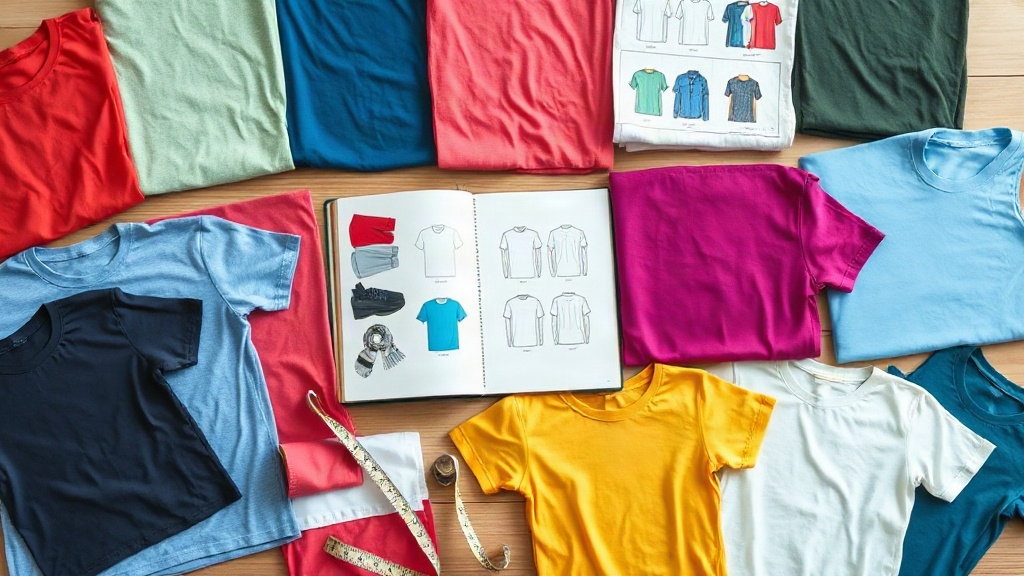
Creating custom shirts is more than a hobby; it's a powerful way to express identity, promote a brand, or bring a team together. Whether you're designing custom t-shirts for a family reunion or launching a merchandise line, the process can feel overwhelming. But with the right knowledge, you can turn a simple idea into a wearable masterpiece. In this guide, we'll walk you through every step, from picking the perfect blank to choosing a printing method that lasts.
Why Custom T-Shirts Matter in Today's World
In a sea of mass-produced apparel, custom t-shirts offer a unique voice. They tell a story, spark conversations, and create a sense of belonging. For businesses, branded custom shirts are walking billboards that boost visibility and trust. For individuals, they're a canvas for creativity. The demand for personalized apparel has skyrocketed, and it's easy to see why: people crave authenticity and connection.
Choosing the Right Blank for Your Custom Shirts
The foundation of any great custom shirt is the blank itself. Not all t-shirts are created equal, and the right choice depends on your purpose, budget, and desired feel.
Fabric Matters
Cotton is the classic choice for custom t-shirts because it's soft, breathable, and takes prints well. Ringspun cotton is even softer and smoother, making it ideal for retail-quality shirts. For a more durable option, consider a cotton-poly blend. It resists wrinkles and shrinking, perfect for activewear or uniforms. Tri-blends offer a vintage, heathered look that's trendy for fashion-forward custom shirts.
Weight and Fit
T-shirt weight is measured in ounces per square yard. Lightweight (4-4.5 oz) shirts are airy and great for summer, while midweight (5-6 oz) is the sweet spot for most custom t-shirts. Heavyweight (6.5+ oz) feels premium and holds shape well. Fit is equally important: classic fit, slim fit, or oversized. Think about who will wear it and how they like their clothes to feel.
Color Considerations
If you're printing light-colored designs, you'll need a light blank. Dark designs pop on light backgrounds, but for dark shirts, you'll need a white underbase or a design that uses light inks. Also, consider the vibe: earthy tones for a natural look, brights for energy, neutrals for versatility.
Designing Your Custom T-Shirts: Tips for Impact
Now comes the fun part: the design. Whether you're a pro or a beginner, these tips will help you create custom shirts that people actually want to wear.
Keep It Simple
Less is often more. A clean, bold graphic or a clever phrase can be more effective than a cluttered masterpiece. Remember, the shirt is a small canvas, so details can get lost. Test your design from a distance to see if it reads well.
Think About Placement
Full front, left chest, back, sleeve—each placement sends a different message. Left chest is classic for logos, full front for statements, and back prints for larger artwork. You can even combine placements for a unique look.
Use the Right Tools
If you're not a designer, don't worry. Many online platforms offer templates and easy-to-use editors. For more control, software like Adobe Illustrator or free alternatives like Inkscape can help. Just ensure your final file is high-resolution (300 DPI) and in a vector format if possible.
Printing Techniques for Custom Shirts
The printing method you choose affects durability, feel, and cost. Here are the most common options for custom t-shirts.
Screen Printing
The industry standard for bulk orders. It's cost-effective for large quantities, offers vibrant colors, and lasts a long time. However, it requires a separate screen per color, so it's best for simple designs with few colors.
Direct-to-Garment (DTG)
Perfect for complex, full-color designs and small batches. DTG prints directly onto the fabric, similar to an inkjet printer. It's great for photographic images, but the print may fade faster than screen printing and works best on 100% cotton.
Heat Transfer and Vinyl
Ideal for small runs and personalized names or numbers. Heat transfer involves printing your design onto special paper and pressing it onto the shirt. Vinyl is cut from colored sheets and pressed on. Both are great for one-off custom shirts.
Embroidery
For a premium, professional look, embroidery is the way to go. It's durable and adds texture, but it's more expensive and works best for logos with simple shapes and limited colors.
Step-by-Step: Creating Your Custom T-Shirts
Ready to make your own? Follow this simple process.
- Define your purpose: Is it for an event, a business, or personal use? This guides your choices.
- Choose your blank: Select fabric, weight, fit, and color based on your purpose.
- Design your artwork: Create or hire a designer. Keep it simple and high-contrast.
- Select a printing method: Consider quantity, budget, and design complexity.
- Order a sample: Always test before committing to a large order.
- Place your order: Work with a reputable printer and communicate clearly.
Common Mistakes to Avoid with Custom Shirts
Even seasoned creators make mistakes. Here are pitfalls to steer clear of.
- Ignoring the fabric: Not all blanks work with all printing methods. For example, DTG works best on 100% cotton, while sublimation requires polyester.
- Using low-resolution images: Pixelated prints look amateur. Always use high-res files.
- Forgetting about wash care: Some prints crack or fade if washed incorrectly. Always provide care instructions.
- Skipping the sample: Colors can look different on screen. A sample ensures satisfaction.
- Overcomplicating the design: Too many elements can make the shirt look busy and unprofessional.
Care Tips to Keep Your Custom T-Shirts Looking New
You've invested in custom t-shirts; now protect that investment. Always wash inside out in cold water. Avoid fabric softeners, which can break down the print. Tumble dry low or hang dry. Iron inside out, never directly on the print. With proper care, your custom shirts will stay vibrant for years.
Frequently Asked Questions About Custom Shirts
What is the best fabric for custom t-shirts?
It depends on your needs. 100% ringspun cotton is soft and ideal for printing. Cotton-poly blends are durable and resist shrinking. Tri-blends offer a vintage look. For performance wear, polyester is best.
How much does it cost to make custom shirts?
Costs vary widely based on quantity, printing method, and shirt quality. Screen printing is cheaper per unit for large orders, while DTG or heat transfer are better for small batches. Expect to pay $10-$30 per shirt, depending on these factors.
Can I print on dark-colored custom shirts?
Yes, but you'll need a white underbase for screen printing or DTG to make colors pop. Alternatively, use light-colored inks or designs with transparency. Heat transfer vinyl also works well on darks.
How long do custom t-shirt prints last?
With proper care, screen-printed shirts can last 50+ washes. DTG prints may last 20-30 washes. Heat transfer vinyl can last 30-40 washes. Always follow care instructions to maximize longevity.
Where can I order custom shirts in small quantities?
Many online printers specialize in small batches. Look for those offering DTG or heat transfer, as they have no minimums. Local print shops may also accommodate small orders.