
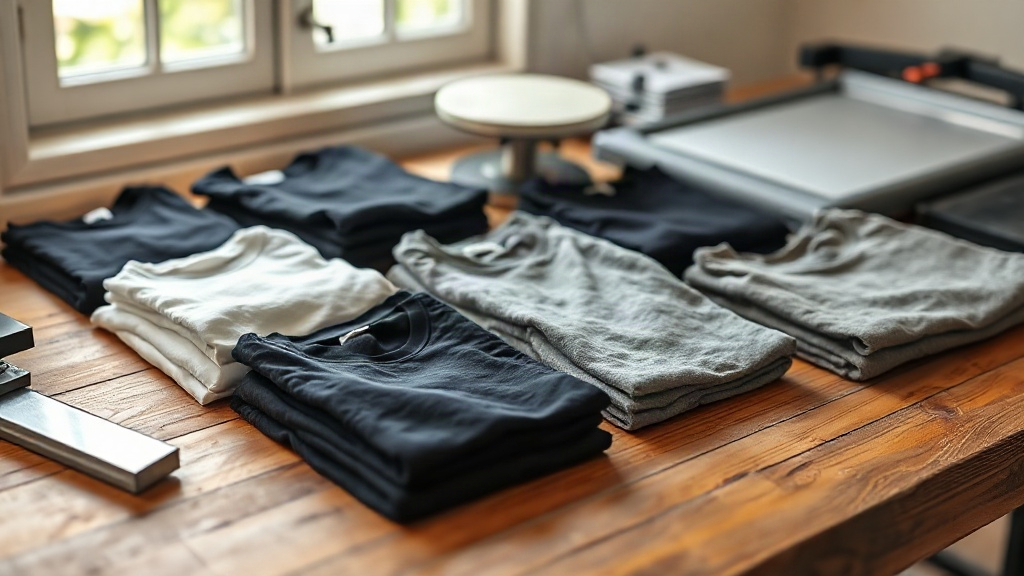
When it comes to creating custom apparel, the foundation of your design is the blank t-shirt itself. Whether you're a small business owner, a hobbyist printer, or someone planning a special event, the quality of your blank can make or break the final product. Smart Blank T-Shirts have emerged as a preferred choice for many in the industry, offering a blend of comfort, durability, and printability that sets them apart. But what exactly makes a blank t-shirt 'smart'? And why should you consider them for your next project? In this guide, we'll explore everything you need to know about smart blank t-shirts, from fabric selection to printing techniques, so you can make informed decisions and achieve professional-looking results.
What Are Smart Blank T-Shirts?
The term 'smart blank t-shirts' refers to high-quality, versatile blank t-shirts designed specifically for customization. Unlike ordinary blanks, smart blanks are engineered with printing in mind. They often feature tighter weave fabrics, consistent stitching, and pre-shrunk materials to ensure that your designs look great and last long. Brands like Bella+Canvas, Next Level, and Gildan produce smart blanks that are popular among screen printers, heat press enthusiasts, and direct-to-garment (DTG) printers.
What sets smart blanks apart is their attention to detail. They typically have a smooth surface that allows for crisp prints, reinforced seams that withstand multiple washes, and a variety of fabric blends to suit different printing methods. Additionally, many smart blanks are available in a wide range of colors and sizes, making them suitable for any project, from corporate uniforms to fashion lines.
Why Choose Smart Blank T-Shirts for Custom Printing?
If you're serious about custom apparel, starting with the right blank is crucial. Here are several reasons why smart blank t-shirts are a smart choice:
- Superior Print Quality: The smooth, even surface of smart blanks ensures that your designs, whether screen printed, heat transferred, or DTG printed, come out sharp and vibrant. The fabric holds ink well, reducing fading and cracking over time.
- Comfort and Fit: Smart blanks are designed with modern fits that appeal to today's consumers. They often use soft, ringspun cotton or cotton-poly blends that feel great against the skin. This means your customers or recipients will actually want to wear them.
- Durability: These blanks are built to last. They resist shrinking, pilling, and warping, so your printed designs stay looking new even after repeated wear and washing.
- Versatility: Smart blanks come in various weights, from lightweight to heavyweight, and in styles like crew neck, V-neck, and long sleeve. This versatility allows you to choose the perfect blank for any application.
- Consistency: When you order smart blanks from reputable suppliers, you can expect consistent sizing and color from batch to batch. This is essential for large orders where uniformity matters.
Key Factors to Consider When Choosing Smart Blanks
Not all smart blanks are created equal. To get the best results, you need to consider several factors:
Fabric Type and Weight
The fabric type and weight play a significant role in how your print turns out and how the shirt feels. Here's a quick breakdown:
- 100% Cotton: The most popular choice for screen printing and DTG. It's soft, breathable, and takes ink well. However, it can shrink and wrinkle. Ringspun cotton is softer and smoother than carded cotton.
- Cotton/Poly Blends: These blends, like 50/50 or 60/40, combine the comfort of cotton with the durability and wrinkle resistance of polyester. They are excellent for heat transfer and DTG printing, and they resist shrinking.
- Tri-Blends: Made from a mix of cotton, polyester, and rayon, tri-blends are incredibly soft and have a vintage, heathered look. They are great for fashion-forward designs but can be trickier to print on.
- Weight: Fabric weight is measured in ounces per square yard (oz/yd²). Standard t-shirts are around 5.0 to 5.5 oz, while heavier weights (6.0 oz and up) are more durable and opaque. Lighter weights (under 5.0 oz) are cooler and more breathable.
Fit and Style
Smart blanks come in various fits, including classic, slim, and relaxed. The fit affects how the shirt looks on different body types and how your design sits on the chest. Consider your target audience: younger demographics often prefer slimmer fits, while older customers may prefer classic or relaxed fits. Also, think about necklines (crew, V-neck, scoop) and sleeve lengths (short, long, 3/4).
Color Options
The color of your blank impacts the appearance of your print. Light colors require opaque inks, while dark colors may need a white underbase for vibrant prints. Smart blanks are available in a spectrum of colors, from basic blacks and whites to trendy heathers and neons. Make sure the supplier offers the colors you need consistently.
Printing Method Compatibility
Different printing methods have different requirements. For example, screen printing works best on flat, smooth surfaces, so tightly woven cotton is ideal. DTG printing requires a high cotton content for best results. Heat transfer vinyl (HTV) adheres well to cotton and poly blends. Always check the blank's specifications to ensure compatibility with your printing method.
Top Printing Techniques for Smart Blank T-Shirts
Once you've selected your smart blanks, the next step is choosing the right printing technique. Here's a rundown of the most common methods and how they perform on smart blanks:
Screen Printing
Screen printing is the gold standard for bulk orders. It involves pushing ink through a mesh screen onto the fabric. Smart blanks with a tight weave and smooth surface yield crisp, long-lasting prints. This method is cost-effective for large quantities and works well with bold, simple designs.
Direct-to-Garment (DTG) Printing
DTG printing is ideal for detailed, full-color designs. It works like an inkjet printer for shirts, directly applying ink to the fabric. Smart blanks with high cotton content (at least 50% cotton) produce the best results. Pre-treatment is often required to ensure vibrant colors and durability.
Heat Transfer Vinyl (HTV)
HTV is a popular choice for small businesses and one-off designs. It involves cutting a design from a colored vinyl sheet and applying it to the shirt with a heat press. Smart blanks with a smooth surface and minimal texture work best. HTV adheres well to cotton and poly blends, but may not stick to heavily textured fabrics.
Direct-to-Film (DTF) Printing
DTF printing is a newer method that involves printing a design onto a special film, then transferring it to the shirt with a heat press. It works on a wide range of fabrics, including cotton, poly, and blends. Smart blanks with a smooth surface are ideal for DTF, as the film needs to adhere evenly.
How to Care for Your Custom Smart Blank T-Shirts
To ensure your custom apparel lasts, proper care is essential. Here are some tips:
- Turn the shirt inside out before washing to protect the print.
- Wash in cold water on a gentle cycle.
- Avoid using bleach or fabric softeners, which can degrade the print.
- Tumble dry on low or hang dry.
- Iron inside out, avoiding the printed area.
Following these guidelines will help your designs stay vibrant and intact for years.
Where to Source Smart Blank T-Shirts
Finding a reliable supplier is key to your success. Look for suppliers that offer:
- A wide range of smart blank brands and styles.
- Consistent stock and fast shipping.
- Competitive pricing, especially for bulk orders.
- Good customer service and return policies.
Many online retailers specialize in blank apparel for printing. Do your research, read reviews, and consider ordering samples before committing to a large purchase.
Frequently Asked Questions About Smart Blank T-Shirts
What makes a blank t-shirt 'smart'?
A smart blank t-shirt is designed with customization in mind. It features high-quality fabric, consistent construction, and a smooth surface that enhances printability. Smart blanks are often pre-shrunk, durable, and available in a variety of colors and sizes.
Which fabric is best for DTG printing on smart blanks?
For DTG printing, 100% cotton or high-cotton blends (at least 50% cotton) work best. Ringspun cotton is ideal because of its smooth surface. Polyester-heavy fabrics may require special pre-treatment for good results.
Can I use smart blank t-shirts for screen printing?
Absolutely. Smart blanks are excellent for screen printing due to their tight weave and smooth surface. They hold ink well and produce crisp, vibrant prints that last.
How do I prevent my custom prints from cracking?
To prevent cracking, ensure you use the correct printing method for your fabric, follow the ink manufacturer's curing instructions, and care for the shirt properly (wash inside out in cold water, avoid harsh chemicals).
Are smart blank t-shirts more expensive?
Smart blanks may cost slightly more than basic blanks, but the difference is usually minimal. The improved quality and printability often justify the small investment, especially for professional projects.
Conclusion
Choosing the right blank t-shirt is the first step toward creating custom apparel that looks professional and stands the test of time. Smart Blank T-Shirts offer the perfect canvas for your creativity, combining comfort, durability, and printability. By understanding the different fabrics, fits, and printing techniques, you can make informed decisions and produce results that impress. Whether you're printing a few shirts for a family reunion or thousands for a corporate client, smart blanks are a reliable choice. So next time you plan a custom project, start with smart blanks and watch your designs come to life.