
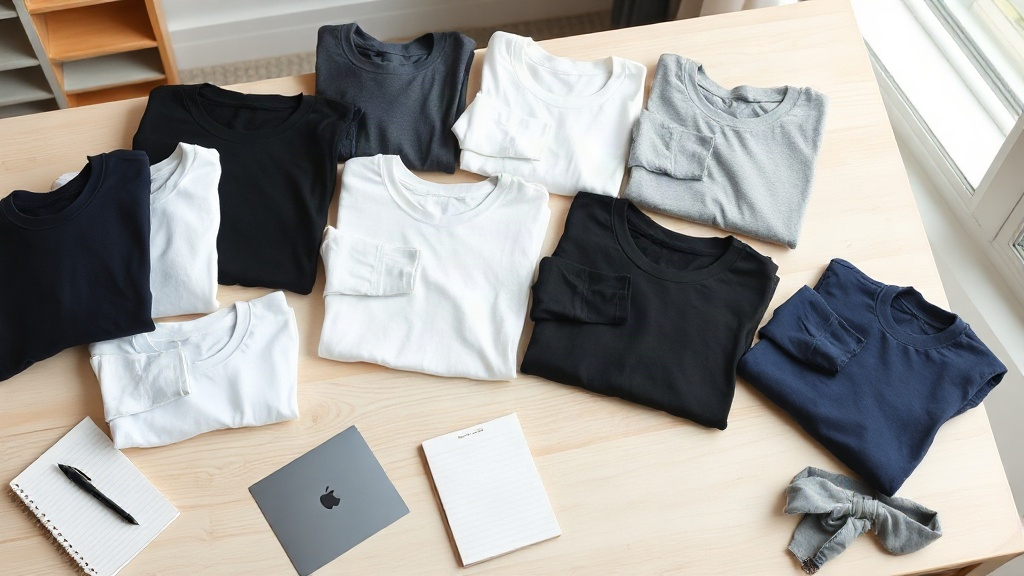
When you're printing custom t-shirts for a client, the last thing you want is a blank that shrinks, fades, or feels rough. Smart Blanks are the unsung heroes of the custom apparel world. They're the high-quality, ready-to-decorate garments that make your designs look professional and keep customers coming back. But not all blanks are created equal. In this guide, I'll share what I've learned from years of working with screen printers, embroiderers, and apparel brands about choosing and using smart blanks effectively.
What Are Smart Blanks?
Smart Blanks are blank garments specifically designed for decoration. They combine consistent sizing, superior fabric quality, and optimal surface characteristics for printing or embroidery. Unlike cheap blanks that pill after a few washes, smart blanks maintain their shape and color, ensuring your custom designs look great for years.
From my experience, the best smart blanks share a few key traits: they're made from ring-spun cotton or high-quality blends, have a tight weave that holds ink well, and come in a range of colors that don't bleed. Brands like Bella+Canvas, Next Level, and Gildan produce smart blanks that professionals trust. But the real magic happens when you match the right blank to your decoration method.
Why Smart Blanks Matter for Your Business
If you're running a custom apparel business, your choice of blanks directly impacts your bottom line. Here's why:
- Customer satisfaction: A soft, well-fitting blank turns a one-time buyer into a repeat customer. I've seen clients reorder dozens of shirts simply because the blank felt amazing.
- Production efficiency: Smart blanks are cut and sewn to consistent specs, so you spend less time dealing with misprints and returns.
- Brand reputation: When you deliver apparel that lasts, word spreads. Your brand becomes synonymous with quality.
On the flip side, cheap blanks can cost you more in the long run. I once watched a printer lose a major contract because the blanks shrank after the first wash, ruining the client's event shirts. That's a mistake you don't want to make.
How to Choose the Right Smart Blanks
With so many options on the market, selecting the perfect blank can feel overwhelming. Here's a step-by-step approach I use:
- Identify your decoration method: Screen printing works best on 100% cotton with a smooth surface. For embroidery, a slightly heavier fabric like a cotton-poly blend provides better stability. DTG printing requires a high thread count and often a pretreatment.
- Consider the end use: A retail-quality tee for a fashion brand needs a different blank than a promotional giveaway. Think about how the garment will be worn and washed.
- Request samples: Never commit to a bulk order without testing. Wash, print, and stretch the sample to see how it holds up.
- Check color consistency: Order blanks from the same dye lot to avoid variations. This is crucial for large orders.
Personally, I keep a swatch book of my favorite smart blanks from Smart Blanks Market. It helps me show clients exactly what they're getting and speeds up the decision process.
Decorating Smart Blanks: Tips from the Trenches
Once you've chosen your blanks, the next step is decoration. Here are some hard-earned lessons:
Screen Printing
Use a platen adhesive that's appropriate for the fabric weight. For lightweight smart blanks, a water-based ink gives a soft hand, while plastisol provides bolder colors. Always do a wash test to ensure the ink adheres properly.
Embroidery
Stabilize the fabric with a cut-away backing. Smart blanks with a tight weave reduce puckering. I recommend a 75/11 sharp needle for woven fabrics and a 80/12 ballpoint for knits.
Heat Transfer Vinyl (HTV)
Pre-press the garment to remove moisture. Use medium pressure and follow the vinyl manufacturer's temperature guidelines. Smart blanks with a smooth surface yield the best results.
Remember, the blank is only half the equation. Your technique matters just as much. But when you start with a quality blank, everything else becomes easier.
Where to Source Smart Blanks
You can find smart blanks from distributors, wholesalers, and online marketplaces. Smart Blanks Market is a great place to start because they specialize in blanks for decorators. They offer a curated selection, competitive pricing, and fast shipping. I've ordered from them multiple times and never been disappointed.
When sourcing, consider these factors:
- Minimum order quantities (MOQs): Some suppliers require large orders, which can tie up cash. Look for suppliers with low or no MOQs if you're just starting out.
- Shipping speed: In the custom apparel business, turnaround time is critical. Choose a supplier with reliable, fast shipping.
- Customer service: You want a partner who answers questions and resolves issues quickly.
Maximizing Profit with Smart Blanks
Smart blanks aren't just about quality; they're also a profit driver. Here's how to make the most of them:
- Upsell premium blanks: Offer customers a choice between standard and premium blanks. Many will pay extra for softness and durability.
- Reduce waste: Fewer misprints mean lower costs. Smart blanks' consistency reduces errors.
- Build recurring revenue: Happy customers reorder. A great blank turns a one-off job into a subscription-like income stream.
I've seen businesses double their profits simply by switching to better blanks. It's a small change with a big impact.
Common Mistakes to Avoid
Even experienced decorators slip up. Watch out for these pitfalls:
- Ignoring fabric content: A 50/50 blend behaves differently than 100% cotton. Know your material.
- Skimping on samples: Always test before you invest.
- Overlooking shrinkage: Pre-shrunk blanks are worth the extra cost.
- Not communicating with clients: Explain why you chose a particular blank. It builds trust.
Frequently Asked Questions
What makes a blank a "smart blank"?
A smart blank is a garment designed specifically for decoration. It has consistent sizing, high-quality fabric, and a surface that takes ink or thread well. Unlike generic blanks, smart blanks are tested for shrinkage, colorfastness, and durability.
Can I use smart blanks for both screen printing and embroidery?
Yes, many smart blanks work for both. However, some fabrics are better suited to one method. For example, a tight-knit cotton is ideal for screen printing, while a heavier blend may be better for embroidery. Always test first.
How do I find the best smart blanks for my budget?
Start by requesting samples from different suppliers. Compare quality, price, and shipping. Consider the total cost, including waste and reprints. Sometimes paying a little more upfront saves money later.
Are smart blanks worth the investment?
Absolutely. They reduce waste, increase customer satisfaction, and can command higher prices. In my experience, the return on investment is significant, especially for businesses that rely on repeat customers.
Where can I buy smart blanks in small quantities?
Many online suppliers, including Smart Blanks Market, offer low minimums. Check their policies and look for sample packs to test before buying in bulk.
Choosing the right Smart Blanks is a game-changer for any custom apparel business. It's the difference between a product that barely lasts and one that becomes a customer's favorite. Take the time to source quality blanks, and your designs will shine.