
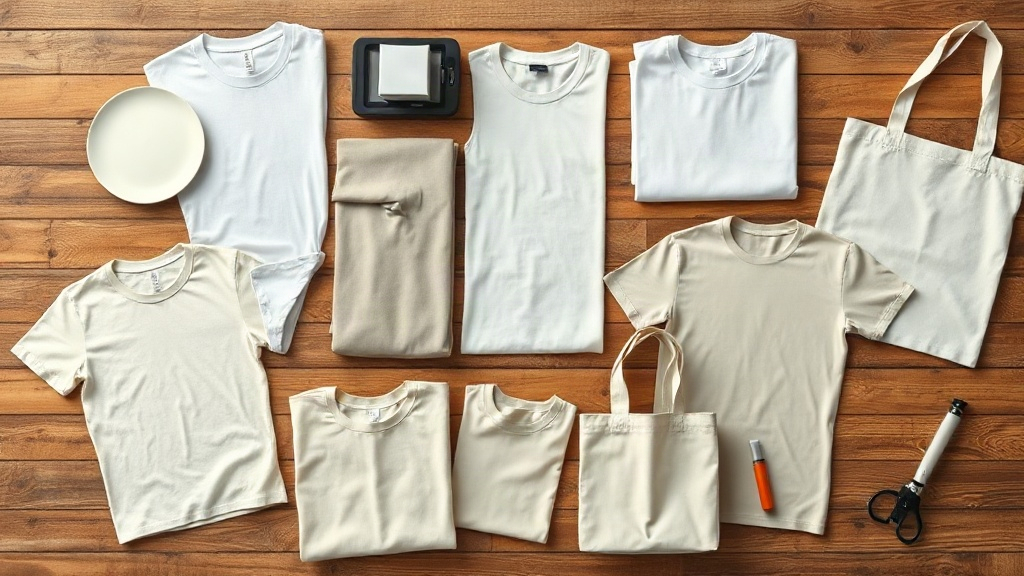
If you've ever ordered a custom t-shirt that felt like sandpaper or faded after two washes, you know the pain of choosing the wrong blank. The garment itself is the foundation of any custom apparel project, and that's where Smart Blanks come in. These are not just any ordinary blanks; they are carefully selected, high-quality garments designed to take printing, embroidery, and everyday wear without losing their shape or softness. Whether you're a small business owner launching a merch line, a event organizer creating team uniforms, or a DIY enthusiast experimenting with heat transfer vinyl, understanding Smart Blanks can save you time, money, and frustration.
In this guide, we'll dive deep into what makes Smart Blanks different, how to choose the right ones for your needs, and how to get the most out of them. We'll also share practical tips from real-world experience, so you can avoid common pitfalls and create custom apparel that people actually want to wear.
What Are Smart Blanks?
Smart Blanks refer to blank apparel items—t-shirts, hoodies, tote bags, and more—that are manufactured with the specific needs of decorators and end-users in mind. Unlike generic blanks that might be thin, inconsistent in size, or prone to shrinkage, Smart Blanks are engineered for customization. They often feature tight-knit cotton, reinforced seams, and pre-shrunk fabrics that hold up to repeated printing and washing.
But it's not just about durability. Smart Blanks also offer a range of fits, colors, and fabric blends to suit different audiences. For example, a retail-quality tri-blend tee might be perfect for a fashion-forward brand, while a heavyweight cotton tee works better for workwear or promotional giveaways. The key is that these blanks are smart because they anticipate the decorator's needs: consistent sizing, smooth printing surfaces, and colorfast dyes.
The Rise of Smart Blanks in Custom Apparel
The demand for Smart Blanks has grown alongside the maker movement and the boom in online entrepreneurship. Platforms like Etsy, Shopify, and Printful have made it easier than ever to sell custom apparel, but they've also raised customer expectations. People want soft, well-fitting garments that don't look or feel like cheap promotional swag. Smart Blanks bridge that gap by offering quality that rivals retail brands at wholesale prices.
Moreover, advancements in fabric technology have led to blanks that are softer, more sustainable, and more versatile. Organic cotton, recycled polyester, and bamboo blends are now common in the Smart Blanks category, appealing to eco-conscious consumers. This evolution means you no longer have to sacrifice ethics for quality.
Why Choose Smart Blanks for Your Custom Projects?
If you're still on the fence about investing in Smart Blanks, consider the following benefits:
- Superior Printability: The surface of Smart Blanks is optimized for screen printing, DTG, DTF, sublimation, and embroidery. The fabric weave allows inks to adhere smoothly, resulting in vibrant, long-lasting designs.
- Consistent Fit and Sizing: Nothing kills a brand's reputation faster than inconsistent sizing. Smart Blanks are cut to precise specifications, so your customers get the same fit every time they order.
- Durability: These blanks withstand repeated washing without pilling, fading, or losing shape. That means your custom apparel looks better for longer, boosting customer satisfaction.
- Variety: From classic crew necks to trendy crop tops, Smart Blanks come in a wide array of styles, colors, and sizes, including extended sizes for inclusivity.
- Cost-Effectiveness: While Smart Blanks may cost slightly more upfront than ultra-cheap alternatives, they reduce waste and returns, saving you money in the long run.
In my own experience running a small print shop, switching to Smart Blanks cut our customer complaints about shrinkage and fading by more than half. The initial investment paid off quickly through repeat orders and positive reviews.
Types of Smart Blanks You Should Know
Not all blanks are created equal, and the right choice depends on your project. Here are the most common categories of Smart Blanks:
1. T-Shirts
T-shirts are the bread and butter of custom apparel. Within Smart Blanks, you'll find:
- 100% Cotton: Classic, breathable, and great for screen printing. Look for ringspun cotton for extra softness.
- Cotton/Poly Blends: These resist shrinking and wrinkling, making them ideal for activewear or everyday tees.
- Tri-Blends: A mix of cotton, polyester, and rayon, these are ultra-soft and drape beautifully. They're popular for fashion brands.
- Performance Fabrics: Moisture-wicking and quick-drying, perfect for sports teams and outdoor events.
2. Hoodies and Sweatshirts
For cooler weather or premium merch, hoodies and sweatshirts are essential. Smart Blanks in this category often feature:
- Fleece: Soft inside and out, with options like French terry or brushed fleece.
- Heavyweight Cotton: Durable and warm, ideal for workwear or streetwear.
- Zip-Up vs. Pullover: Consider your audience's preference; zip-ups offer versatility, while pullovers have a classic look.
3. Bags and Accessories
Smart Blanks extend beyond apparel. Tote bags, drawstring bags, and even hats can be customized. These items are great for promotional events or as add-ons to your product line. Look for sturdy canvas or cotton twill that can handle heavy prints.
How to Choose the Right Smart Blanks
Selecting the perfect blank requires balancing several factors. Here's a step-by-step approach:
- Identify Your Audience: Who will wear this? A corporate client may prefer a classic polo, while a music festival crowd might go for a trendy crop top. Consider age, style, and intended use.
- Decide on Fabric and Weight: Lighter fabrics (4-5 oz) are great for summer, while heavier (6+ oz) work for winter or durable goods. Also, think about the printing method: some fabrics work better with certain techniques.
- Check Color Options: Ensure the blank comes in the colors you need. Smart Blanks often have a wide palette, but popular colors can sell out, so plan ahead.
- Request Samples: Before committing to a bulk order, order a sample to test printability, feel, and fit. Trust me, this step saves headaches later.
- Consider Sustainability: If eco-friendliness matters to your brand, look for organic cotton, recycled materials, or Fair Trade certification.
- Evaluate Pricing and Minimums: Smart Blanks come at various price points. Some suppliers offer low minimums for small businesses, while others require bulk orders. Factor in shipping and turnaround time.
One mistake I see often is choosing blanks based solely on price. Cheap blanks may seem like a bargain, but they can lead to high return rates and damaged reputation. Investing in Smart Blanks pays off in quality and customer loyalty.
Printing Techniques for Smart Blanks
Once you've chosen your Smart Blanks, the next step is decorating them. Different printing methods yield different results, so match the technique to the fabric and design.
Screen Printing
Best for bold, simple designs and large orders. It's cost-effective per unit at scale and produces vibrant colors. Works well on 100% cotton and cotton blends.
Direct-to-Garment (DTG)
Ideal for complex, full-color designs and small batches. DTG printers apply water-based inks directly to the fabric. It works best on 100% cotton, though blends can work with pretreatment.
Heat Transfer Vinyl (HTV)
Great for names, numbers, and small runs. HTV is applied with a heat press and can be used on various fabrics. It's a favorite for team jerseys and personalized gifts.
Embroidery
Adds a premium, textured look. Perfect for polos, hats, and jackets. Embroidery requires stable fabrics, so heavyweight Smart Blanks are ideal.
Each method has its pros and cons. For example, DTG may not hold up as long as screen printing on darker colors, but it allows for photographic detail. Test different techniques on your Smart Blanks to see what works best for your designs.
Caring for Your Custom Smart Blanks
To ensure your custom apparel lasts, educate your customers on proper care. Here are some universal tips:
- Wash inside out in cold water to protect the print.
- Avoid fabric softener, which can break down inks and fibers.
- Tumble dry low or hang dry to prevent shrinkage.
- Iron inside out, avoiding the printed area.
- For embroidery, turn the garment inside out before washing to prevent snags.
Following these guidelines can significantly extend the life of your Smart Blanks, keeping your brand looking sharp.
Sourcing Smart Blanks: Where to Buy
You can find Smart Blanks from various suppliers, both online and in person. Some popular options include:
- Wholesale Distributors: Companies like SanMar, S&S Activewear, and alphabroder carry a wide range of Smart Blanks from top brands like Bella+Canvas, Next Level, and Gildan.
- Direct from Manufacturers: Some brands sell directly to decorators, often with competitive pricing.
- Local Retailers: If you need blanks quickly, check local craft stores or apparel wholesalers.
- Online Marketplaces: Sites like Amazon and Etsy offer blanks, but quality can vary. Stick to reputable brands.
When sourcing, always check reviews, return policies, and whether the supplier offers bulk discounts. Building a relationship with a reliable supplier can lead to better pricing and priority service.
Common Mistakes to Avoid with Smart Blanks
Even with the best intentions, decorators often stumble. Here are pitfalls to watch for:
- Ignoring Fabric Content: Using the wrong ink or technique on a fabric can lead to poor adhesion or fading.
- Skipping Pre-Treatment: For DTG printing, pre-treating the garment is crucial for vibrant colors and durability.
- Overlooking Shrinkage: Always pre-shrink or choose pre-shrunk Smart Blanks to avoid size surprises after washing.
- Not Testing: Always do a test print on a sample before running a full batch.
- Poor Storage: Store blanks in a cool, dry place to prevent mildew and dust.
By avoiding these mistakes, you'll save time, money, and materials.
Frequently Asked Questions About Smart Blanks
What makes Smart Blanks different from regular blanks?
Smart Blanks are specifically designed for customization. They offer consistent sizing, superior printability, and durability that regular blanks often lack. They also come in a wider range of fabrics and fits to suit different markets.
Can I use Smart Blanks for DTG printing?
Yes, many Smart Blanks are optimized for DTG printing, especially those made from 100% ringspun cotton. However, always check the manufacturer's recommendations, as some blends may require pre-treatment for best results.
How do I prevent my Smart Blanks from shrinking?
Choose pre-shrunk Smart Blanks whenever possible. If not, wash the blanks in cold water and tumble dry low before printing. This minimizes shrinkage and ensures a consistent fit.
Where can I buy Smart Blanks in small quantities?
Many online suppliers offer low minimums, sometimes as low as one piece. Look for retailers that cater to small businesses or DIY crafters. Local craft stores may also carry limited quantities.
Are Smart Blanks more expensive?
They can be slightly pricier than generic blanks, but the difference is usually small. Given their quality and durability, Smart Blanks often provide better value in the long run by reducing returns and enhancing customer satisfaction.
Final Thoughts
Choosing the right blank is a critical decision that impacts every aspect of your custom apparel business. Smart Blanks offer a smart solution by combining quality, versatility, and performance. Whether you're printing your first t-shirt or scaling a merch empire, investing in Smart Blanks will elevate your products and delight your customers. Remember to sample, test, and care for your garments properly. With the right blanks and a bit of know-how, you'll create custom apparel that people love to wear.