
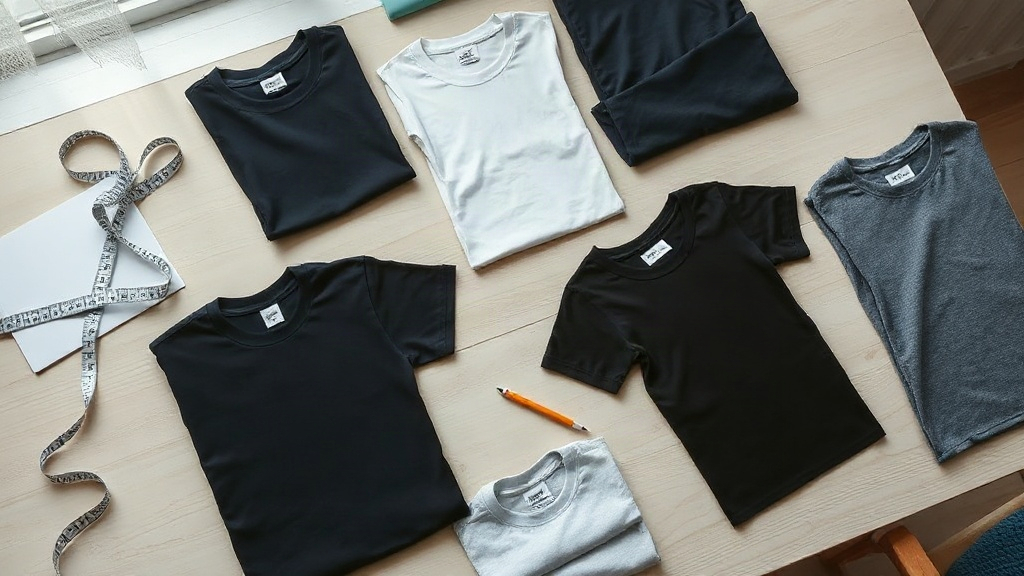
When you're building a custom apparel brand, the foundation of every great design is the blank itself. Smart Blanks are not just ordinary t-shirts or hoodies; they are carefully engineered garments designed to take prints, embroidery, and embellishments to the next level. Whether you're a seasoned screen printer or a newcomer to the world of custom clothing, understanding what makes a blank "smart" can save you time, money, and a lot of frustration. In this guide, we'll dive deep into the world of smart blanks, covering everything from fabric selection to printing techniques, so you can make informed decisions and create apparel that customers will love to wear.
What Are Smart Blanks?
The term "smart blanks" refers to blank apparel items that are manufactured with specific end-uses in mind. Unlike generic blanks that might be made from low-quality cotton or have inconsistent sizing, smart blanks are produced with features that enhance printability, comfort, and durability. These blanks often undergo special treatments, such as enzyme washing for softness or ring-spinning for a smoother surface. They may also have reinforced stitching, tagless labels, and a consistent fit that makes them ideal for retail-ready custom apparel.
At Smart Blanks Market, we've curated a collection of blanks that meet these high standards. Our blanks are sourced from reputable manufacturers who prioritize quality control, so you can trust that every piece you order will perform well under your heat press or embroidery machine.
Why Choose Smart Blanks for Your Custom Apparel?
If you're still using whatever blanks are cheapest, you might be missing out on significant benefits. Smart blanks offer advantages that can elevate your entire operation, from production efficiency to customer satisfaction.
Superior Printability
One of the biggest challenges in screen printing or DTG (direct-to-garment) printing is achieving a smooth, vibrant print. Smart blanks are designed with tight weave structures and low shrinkage rates, which means your prints won't crack or distort after washing. For example, a ring-spun cotton blank provides an exceptionally smooth surface that allows fine details to come through clearly. This is especially important for intricate designs or small text.
Consistent Sizing and Fit
Nothing frustrates a customer more than ordering a size that fits differently from the last one. Smart blanks are cut to precise specifications, ensuring that a medium is always a medium. This consistency reduces returns and boosts brand loyalty. Additionally, many smart blanks feature modern fits like slim or relaxed, catering to diverse customer preferences.
Enhanced Comfort and Durability
Smart blanks often use premium fabrics like combed ringspun cotton, tri-blends, or performance polyester. These materials feel softer against the skin and hold up better over time. Reinforced shoulder seams and double-needle hems prevent tearing, even with frequent wear. When your customers receive a garment that feels great and lasts, they're more likely to order again.
Key Factors to Consider When Choosing Smart Blanks
With so many options on the market, selecting the right smart blanks for your project can be overwhelming. Here are the most important factors to evaluate.
Fabric Type and Weight
The fabric type determines the look, feel, and performance of the final product. Cotton is the most popular choice for its breathability and natural feel, but blends offer unique advantages. For instance, a cotton-polyester blend resists wrinkles and shrinkage, making it great for activewear. Fabric weight, measured in ounces per square yard (oz/yd²), also matters. Lightweight fabrics (under 5 oz) are ideal for summer tees, while heavier weights (6 oz and above) work well for hoodies and outerwear.
Printing Method Compatibility
Not all blanks work well with every printing technique. If you specialize in screen printing, you'll want a blank with a tight weave and minimal texture. For heat transfer vinyl (HTV), a smooth, even surface is crucial. DTG printing requires a high cotton content and a special pretreatment for best results. Always test your chosen blank with your intended printing method before committing to a large order.
Color Options and Consistency
Offering a wide range of colors is essential for custom apparel, but color consistency across dye lots can be a hidden pitfall. Smart blanks from reputable suppliers maintain consistent dye formulas, so the navy you order in January matches the navy you order in June. This is vital for team uniforms or branded merchandise where color accuracy is non-negotiable.
Eco-Friendly and Sustainable Options
Today's consumers care about sustainability. Smart blanks often include organic cotton, recycled polyester, and eco-friendly dyes. Choosing these options not only reduces your environmental footprint but also appeals to eco-conscious customers who are willing to pay a premium for responsible products.
Popular Types of Smart Blanks
Let's explore some of the most common smart blanks you'll encounter and their best use cases.
- Crew Neck T-Shirts: The workhorse of custom apparel. Look for combed ringspun cotton for a soft hand feel and excellent printability.
- Hoodies and Sweatshirts: Choose heavyweight fleece with a high cotton content for warmth and durability. Features like pouch pockets and double-lined hoods add value.
- Polos: Often made from pique cotton or performance fabrics, polos are perfect for corporate wear. Smart polos have a clean placket and collar that hold their shape.
- Tank Tops: Ideal for summer events and gym merch. Look for racerback or standard styles with side seams for a better fit.
- Performance Wear: Made from moisture-wicking polyester, these blanks are great for sports teams and activewear brands.
How to Get the Most Out of Your Smart Blanks
Once you've selected your blanks, a few best practices will ensure your finished products impress your customers.
Pre-Treat and Test
Always pre-wash your blanks if you're using DTG or heat transfer, as this removes sizing and prevents shrinkage. For screen printing, a quick lint roller pass can remove dust. Test print on a sample blank to dial in your press settings.
Proper Storage
Store blanks in a cool, dry place away from direct sunlight. Humidity can cause mildew, while sunlight can fade colors. Keep them folded or hung to avoid wrinkles.
Care Instructions for Customers
Include a care card with each order. Recommend washing inside out in cold water and tumble drying low. This preserves both the blank and the print, extending the life of the garment.
Common Mistakes to Avoid with Smart Blanks
Even experienced apparel professionals can slip up. Here are pitfalls to watch for.
- Ignoring fabric shrinkage: Always account for shrinkage, especially with 100% cotton blanks. Pre-shrunk options are available but may still shrink slightly.
- Using the wrong ink: Plastisol ink works well on cotton, but water-based inks require specific mesh counts and curing temperatures.
- Overlooking thread count: For embroidery, a higher thread count blank provides a better foundation and prevents puckering.
- Skimping on quality: Cheap blanks may save money upfront but lead to unhappy customers and returns. Invest in smart blanks for long-term success.
Frequently Asked Questions About Smart Blanks
What makes a blank "smart"?
A smart blank is designed with specific features that enhance printing, comfort, and durability. These include premium fabrics, consistent sizing, reinforced stitching, and treatments that improve printability. Essentially, it's a blank that's been optimized for customization.
Which fabric is best for screen printing on smart blanks?
100% combed ringspun cotton is generally considered the best for screen printing because of its smooth surface and ability to hold fine details. However, cotton-poly blends also work well and offer reduced shrinkage.
How do I choose the right size range for my smart blanks?
Consider your target audience. If you're selling to a broad market, stock sizes from XS to 3XL. For niche markets like youth sports, focus on youth sizes. Always check the manufacturer's size chart and order samples to verify fit.
Are smart blanks more expensive than regular blanks?
Smart blanks typically cost a bit more due to higher quality materials and construction. However, the improved printability and customer satisfaction often justify the investment. Plus, you can command higher prices for a superior product.
Can I mix different smart blanks in one order?
Yes, many suppliers allow you to mix styles, colors, and sizes within a single order. This flexibility lets you offer variety without overstocking. Just be mindful of minimum order quantities per style.
Ready to elevate your custom apparel? Explore our collection of Smart Blanks at Smart Blanks Market and experience the difference quality makes.